Local Seasonal Food: Easy Support Tips
Imagine biting into a peach so juicy and sweet it drips down your chin.
Or pulling a carrot from the ground that actually tastes like carrot.
Or opening your fridge and knowing every vegetable inside was picked at peak ripeness just days ago.
That vibrant, flavorful experience is what eating local seasonal food delivers every single week.
And the best part? Supporting it is simpler and more rewarding than you might think in 2026.
This guide gives you a complete, practical system for easy local seasonal food support.
You’ll learn exactly what’s in season month by month, how to find it near you, storage and preservation tricks that stretch your harvest for months, simple meal ideas, cost-saving strategies, and long-term habits that turn seasonal eating into an effortless lifestyle upgrade.
By the end, you’ll have everything you need to enjoy fresher, tastier food while saving money, cutting your carbon footprint, and directly supporting the farmers in your community.
Why Local Seasonal Food Makes a Real Difference
When food travels thousands of miles from farm to table, it loses nutrients, flavor, and freshness along the way.
Local seasonal produce is picked at peak ripeness, so it arrives on your plate with maximum vitamins, antioxidants, and taste.
Studies show that fruits and vegetables can lose up to 50% of certain nutrients within days of harvest if shipped long distances.
Seasonal eating also supports your body’s natural rhythms — lighter greens and berries in spring and summer, hearty roots and squashes in fall and winter.
On the environmental side, local food drastically reduces “food miles.”
Transporting produce across the country or around the world burns massive amounts of fuel and creates greenhouse gases.
Buying local keeps those emissions out of the atmosphere and keeps money circulating in your own community instead of going to distant corporations.
Economically, every dollar you spend at a farmers market or CSA stays in your region.
It helps small farms stay viable, preserves farmland, and creates jobs for local families.
Many people report saving 20–40% on produce costs once they shift to seasonal buying because in-season items are abundant and therefore cheaper.
This habit ties beautifully into the waste-reduction strategies from Reduce, Reuse, Recycle: Easy Waste Reduction Tips and the non-toxic cleaning methods from Green Cleaning: Non-Toxic Home Products Guide — because fresh seasonal produce pairs perfectly with clean, natural kitchens.

What’s in Season When (Simple Month-by-Month Guide)
Use this as your quick reference.
Adjust slightly based on your exact climate zone, but these patterns hold across most of North America.
- Spring (March–May)
Asparagus, spinach, radishes, strawberries, peas, rhubarb, lettuce, artichokes. These light, detoxifying foods feel perfect after winter. - Summer (June–August)
Tomatoes, cucumbers, zucchini, corn, berries, peaches, cherries, melons, peppers, eggplant, basil. Everything is abundant and bursting with flavor. - Fall (September–November)
Apples, pumpkins, squash, sweet potatoes, kale, Brussels sprouts, carrots, broccoli, pears, cranberries. Hearty, grounding produce that stores well. - Winter (December–February)
Citrus, kale, cabbage, root vegetables (beets, turnips, parsnips), winter squash, onions, garlic, greenhouse greens. Many items are still available from storage or protected growing.
For the most accurate list for your zip code, simply search “seasonal food guide [your city]” or use free apps that update automatically.

Easy Ways to Support Local Seasonal Food Every Week
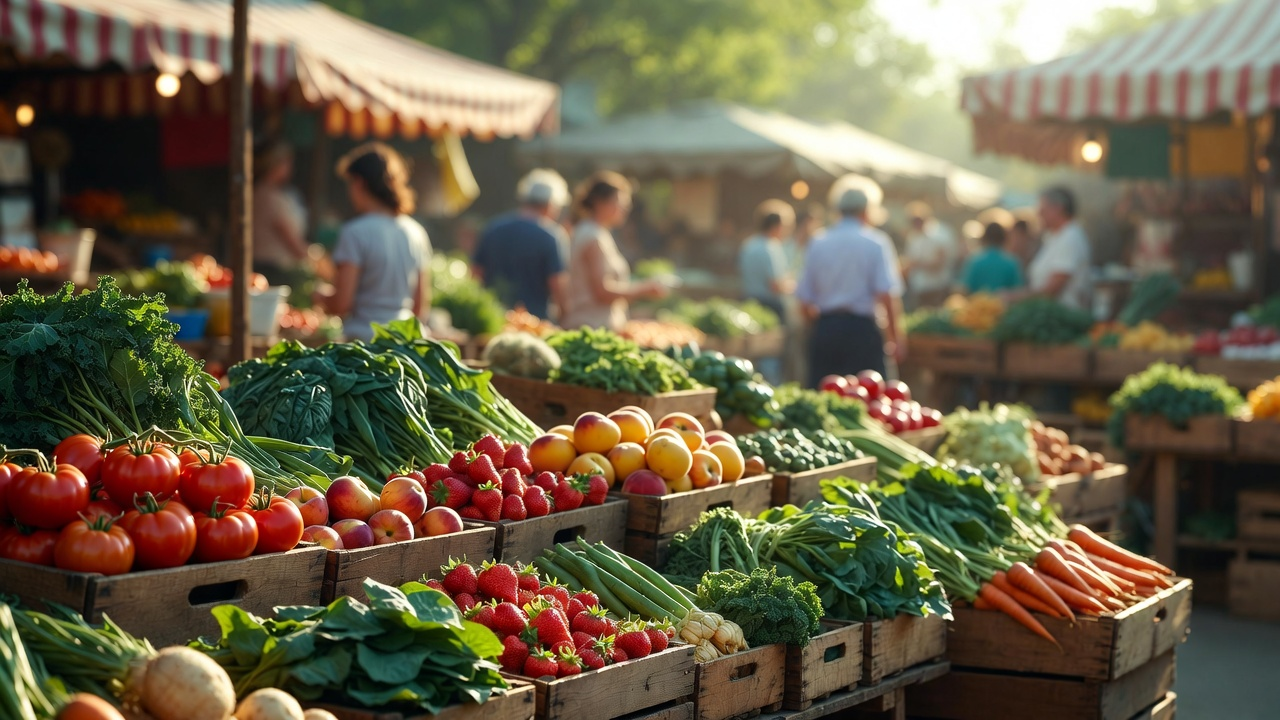
- Visit your local farmers market at least twice a month.
- Talk to the growers — they often share recipe ideas and storage tips you won’t find anywhere else.
- Join a CSA (Community Supported Agriculture) box program.
- You pay upfront for a season and receive a weekly share of whatever is freshest that week.
- It’s like a surprise box of peak-season produce delivered to your door.
- Shop the perimeter of your grocery store and look for “local” or “grown in [state]” signs.
- Many chains now highlight regional produce prominently.
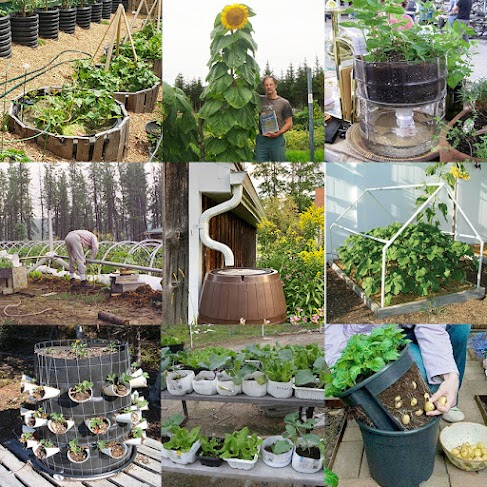
- Grow a few things yourself, even in containers.
- Herbs, lettuce, tomatoes, and strawberries are beginner-friendly and produce abundantly in small spaces.
- For bigger results, check out Growing Food Off Grid: Gardens & Livestock Basics when you’re ready to take it further.
- Learn simple preservation methods to enjoy summer flavors all winter long.
- Freeze berries and tomatoes, can salsa or pickles, dehydrate herbs and apples, or ferment sauerkraut and kimchi.
- These techniques keep nutrients intact and reduce waste dramatically.
Smart Storage and Meal-Planning Tips
- Store root vegetables in a cool, dark place or the fridge crisper.
- Leafy greens last longer when wrapped in a damp cloth or stored in breathable bags.
- Berries and tomatoes taste best at room temperature until fully ripe.
- Plan meals around whatever is abundant that week instead of following rigid recipes.
- This keeps costs down and creativity high.
- Batch-cook and freeze extra produce so nothing goes to waste.
- If you forage safely on occasion, it adds free, ultra-fresh nutrition.
The skills in How to Forage Safely: Beginner Guide to Edible Plants pair wonderfully with seasonal eating because wild edibles are the ultimate local, in-season food.

Connect Local Seasonal Food to the Rest of Your Sustainable Life
- Once you’re supporting local seasonal food regularly, everything else in your sustainable journey gets easier.
- Your produce pairs perfectly with the plant-based meals from Plant-Based Diet for Beginners: Easy Low-Meat Tips and the composting habits from Composting for Beginners: Easy Food Waste Tips.
- If you ever move toward off-grid living, seasonal eating becomes even more powerful because you’re working with nature’s calendar instead of fighting it.
Your 30-Day Local Seasonal Food Challenge
- Week 1: Visit a farmers market or check your grocery store for local signs and buy at least three seasonal items.
- Week 2: Plan and cook two meals entirely around what’s in season this week.
- Week 3: Try one preservation method (freezing, dehydrating, or pickling) with extra produce.
- Week 4: Track your grocery receipt and notice the savings and flavor difference — then celebrate how much better everything tastes.

You will need a good sturdy Reusable bag to carry all of your fresh fruits and vegetables; I like the Nook Theory 3 Pcs Reusable Grocery Bags they last far longer than the ones you get from the grocery store.
FREQUENTLY ASKED QUESTIONS:
What is the easiest way to start eating local seasonal food?
Simply check what’s labeled “local” or “in season” at your grocery store or farmers market each week and build meals around those items first.
How much money can I realistically save?
Most families save 20–40% on produce costs once they focus on seasonal buying because in-season items are abundant and priced lower.
Can I eat seasonally in winter?
Yes — root vegetables, winter squash, cabbage, citrus, and stored apples are all in season or well-preserved during colder months.
Do I need a garden to support local seasonal food?
No — shopping at farmers markets, joining a CSA, or simply choosing local options at the store is enough to make a meaningful difference.
Start supporting local seasonal food with your very next shopping trip.
Pick one or two items that are in season right now and build a meal around them.
The more you do it, the more you’ll crave that fresh, vibrant taste and the lighter your impact will feel.
You’ve got this. Your taste buds, your wallet, your community, and the planet are all going to thank you.