
Reduce, Reuse, Recycle: Easy Waste Reduction Tips
Imagine opening your kitchen trash bin on pickup day and realizing it’s only half full.
No overflowing bags.
No lingering guilt.
Just a clean counter and a little extra cash staying in your pocket.
That lighter, clearer feeling is what these waste reduction tips will deliver — and it’s surprisingly easy to reach in 2026.
This guide gives you the complete, practical system to cut household waste dramatically using the classic reduce-reuse-recycle framework.
You’ll get step-by-step habits for every room, creative reuse ideas that actually save money, the right way to recycle so it counts, tools and trackers that make progress visible, and a simple 30-day plan that turns small changes into automatic routines.
By the end, you’ll have a waste-reduction playbook that fits your real life — whether you’re in a small apartment, busy family home, or already heading off-grid.
Why Waste Reduction Feels So Good (and Saves So Much)
Most households still send hundreds of pounds of reusable materials to landfills every year.
Global waste keeps climbing, but individuals who focus on reduce-reuse-recycle consistently cut their trash volume by 40–70% while saving real money.
Families report:
- 20–50% lower grocery bills (less packaging, fewer impulse buys)
- Less clutter and cleaning time
- Lower guilt and a lighter environmental footprint
- More satisfaction from resourceful living
The changes compound.
One small swap this week snowballs into bigger wins next month — and the best time to start is right now.

Step-by-Step: Reduce Waste at the Source
Reduction is the highest-leverage move — it stops waste before it enters your home.
Follow these 12 high-impact habits in order of easiest to adopt:
- Make a weekly meal plan and strict shopping list — never shop hungry.
- Choose loose produce and bulk bins over pre-packaged items.
- Politely decline free plastic bags, straws, and single-use utensils.
- Always pick products with minimal or recyclable packaging.
- Repair clothes, shoes, and small appliances instead of replacing them.
- Borrow tools, books, sports gear from neighbors or libraries.
- Cancel junk mail subscriptions and switch all bills to paperless.
- Buy only what you’ll truly use in the next 30 days.
- Install a faucet filter or pitcher and stop buying bottled water forever.
- Switch to cloth napkins, towels, and reusable produce bags.
- Cook larger batches and freeze leftovers in reusable containers.
- Track your trash for 30 days — numbers dropping is incredibly motivating.
One of the fastest wins is ditching single-use water bottles.

The Bambaw Stainless Steel Water Bottle lasts for years, keeps drinks hot or cold, and pays for itself after just a few weeks of skipping plastic bottles.
Creative Reuse Ideas That Save Real Money
Reusing turns “trash” into useful items.
Here are 15 practical, everyday examples people use right now:
- Glass jars → spice storage, leftover containers, homemade candles
- Old t-shirts → cleaning rags, reusable produce bags, pet toys
- Yogurt containers → drawer organizers, plant starters, kids’ crafts
- Cardboard boxes → moving crates, kids’ forts, seed trays
- Coffee grounds → garden fertilizer, fridge deodorizer, pest repellent
- Wine corks → pin boards, garden markers, hot pads
- Old towels → pet beds, car rags, spill wipes
- Broken ceramics → mosaic stepping stones, garden art
- Toilet paper rolls → cable organizers, seedling starters
- Worn jeans → tote bags, patches, pillow covers
The secret question: “Can I give this a second life?”
Ask it before anything hits the bin — you’ll feel resourceful instead of wasteful.

Recycling the Right Way (So It Actually Helps)
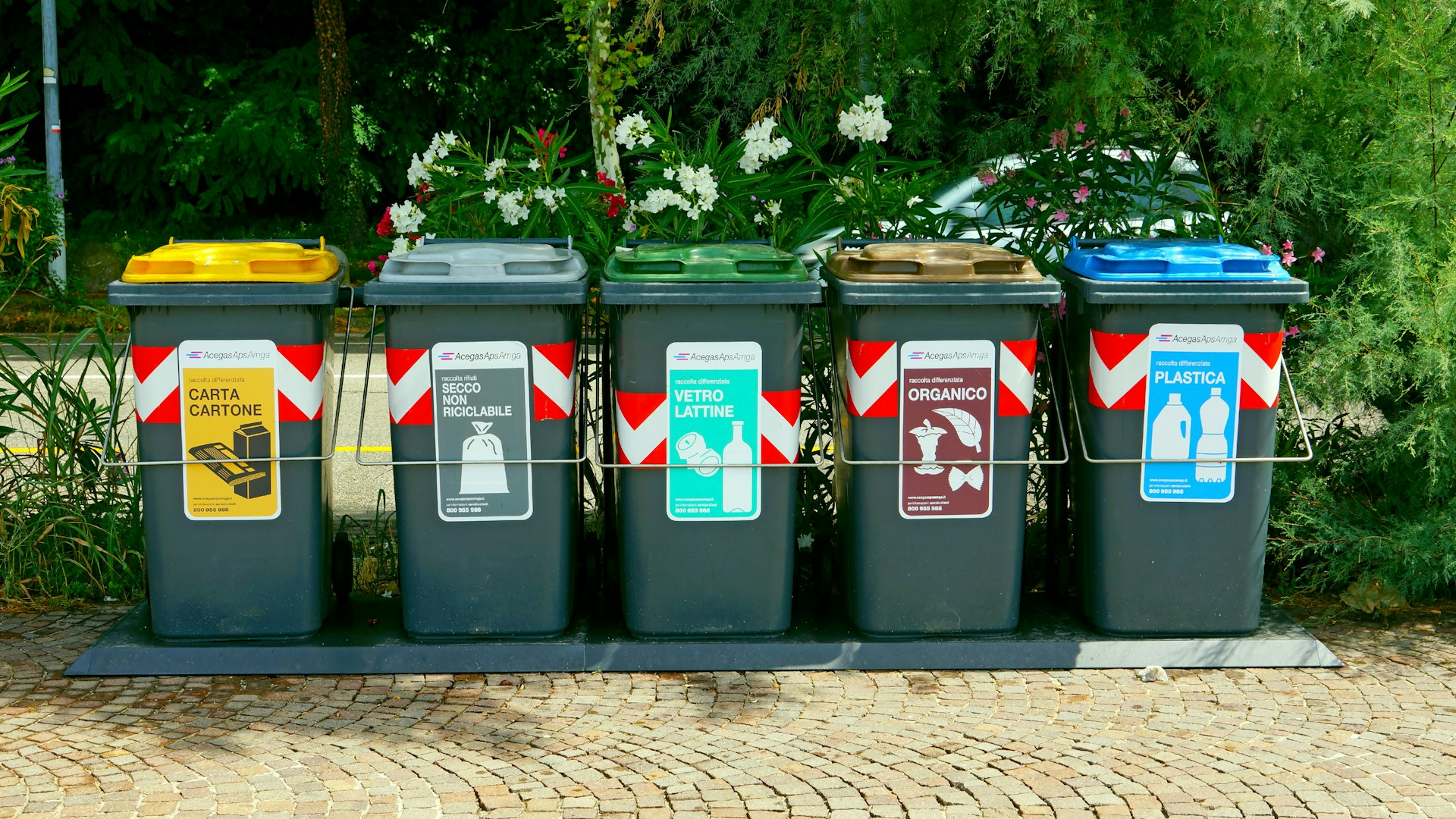
Recycle only what you can’t reduce or reuse.
Follow these rules to make sure your effort counts:
- Rinse everything thoroughly — food residue ruins entire batches.
- Check your city/county guidelines — rules change by location.
- Flatten cardboard and bundle paper for pickup.
- Sort plastics by number — most areas accept 1 and 2 reliably.
- Take electronics, batteries, light bulbs, and hazardous items to special drop-offs.
- Compost food scraps instead of sending them to landfill — see Composting for Beginners: Easy Food Waste Tips for easy setup.
When you recycle correctly, you close the loop and keep materials in circulation instead of buried.
Tools, Habits & Tracking That Make It Stick
Turn these ideas into autopilot habits:
- Keep a “reuse” bin in the garage or closet for items waiting for second life.
- Set a Sunday phone reminder to review your meal plan and shopping list.
- Use a free app (“My Waste”, “Too Good To Go”) or simple notebook to log weekly trash.
- Reward the household after 30 days — reusable lunch bag, houseplant, or family outing.
Most people see trash volume drop by half in the first month.
The momentum is addictive.
Connect Waste Reduction to the Rest of Your Sustainable Life
- Once you’re reducing, reusing, and recycling like a pro, the next steps flow naturally.
- Cut food packaging even more with Plant-Based Diet for Beginners: Easy Low-Meat Tips.
- Save energy while keeping your home clean with Energy Efficiency at Home: Simple Money-Saving Habits.
- Turn kitchen scraps into garden gold with Composting for Beginners: Easy Food Waste Tips.
- And support local farmers while reducing transport waste with Local Seasonal Food: Easy Support Tips.
Your 30-Day Waste Reduction Challenge
- Week 1 Focus only on “reduce” — track everything you buy and say no to at least three single-use items.
- Week 2 Add “reuse” — find a second life for five items that would’ve gone in the trash.
- Week 3 Master recycling rules for your area and set up proper sorting bins.
- Week 4 Review your trash volume (take photos) and celebrate the difference — reward yourself.

Is recycling really worth it if I’m already reducing and reusing?
Yes — recycling closes the loop for items you can’t avoid, but always rinse everything and check your local rules to make sure it actually gets processed.
How can I start reducing waste at home today?
Begin with one easy change — make a shopping list and skip single-use plastic bags — then add one more habit each week.
What is the fastest way to cut my trash in half?
Focus on “reduce first” by buying less packaged food, canceling junk mail, and switching to reusable water bottles and bags.
Can reducing waste actually save me money?
Yes — most families save 20–50% on groceries and supplies by buying less, reusing what they have, and avoiding single-use items.
What should I never put in my recycling bin?
Never recycle greasy pizza boxes, plastic bags/film, food-soiled paper, or hazardous items like batteries — they contaminate entire loads.
You’ll be amazed how much lighter your bins and your life feel.
Start today with one tiny change — maybe skip a plastic bag or reuse a jar.
Then add another tomorrow.
Before long, waste reduction becomes second nature, and you’re living a simpler, greener, more intentional life in 2026.
You’ve got this.
The planet — and your wallet — will thank you every single day.
Ready for the next step? Head over to Plant-Based Diet for Beginners: Easy Low-Meat Tips and keep building your sustainable lifestyle.
