How Do You Tie a Square Knot? (The Only Way You’ll Ever Need to Know)
Hey friend, welcome back to the woods.
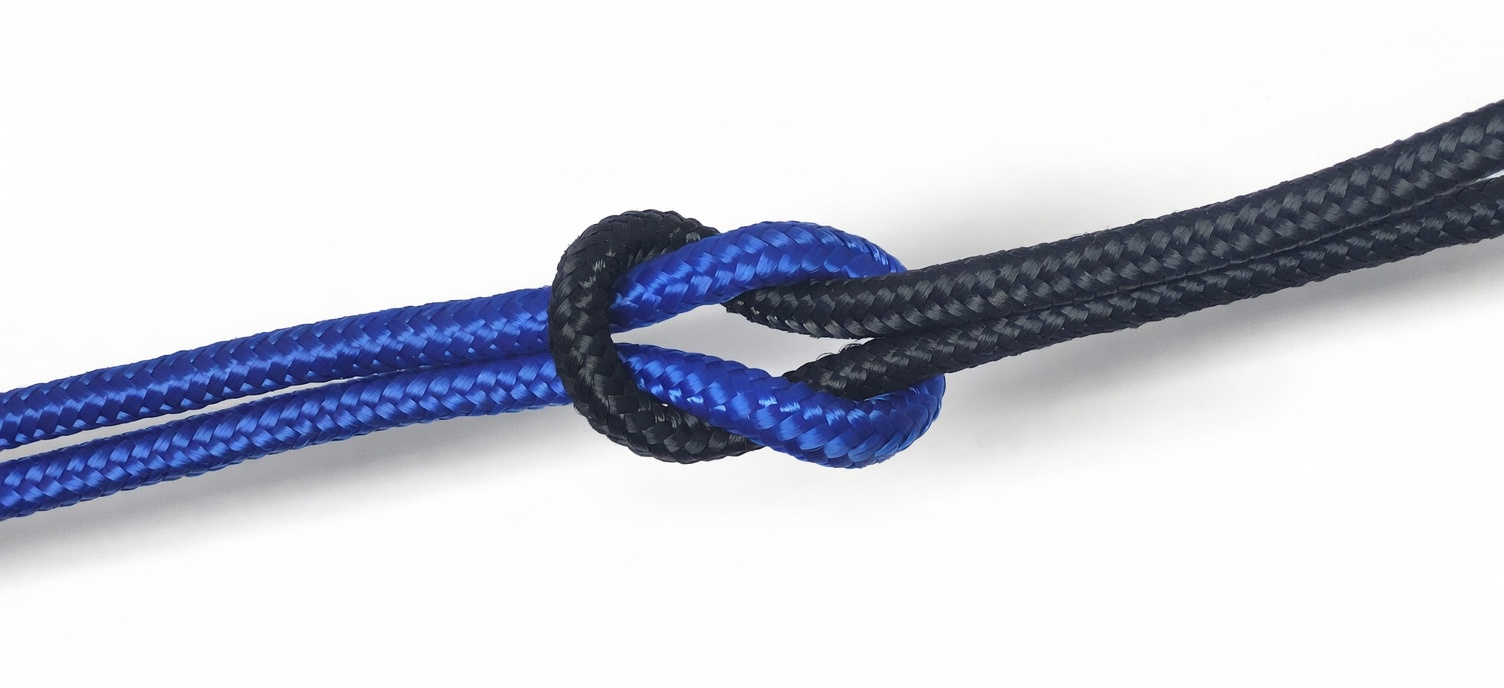
If you’ve ever tried to tie two ropes together or bundle up some firewood and ended up with a sloppy mess that slips apart, you’re not alone. That’s usually because you accidentally tied a granny knot instead of a proper square knot (also called a reef knot).
The square knot is one of the simplest and most useful knots you’ll ever learn. It’s the very first knot most Scouts, sailors, and off-grid folks master, and once you know it, you’ll reach for it almost every day around camp.
In this guide I’ll walk you through exactly how to tie a square knot the right way — slow, clear, and with all the little tactile cues I use when I’m teaching someone in person. I’ll also share the history behind it, what it’s best used for, the most common mistakes people make, and a few real backwoods tips from someone who’s tied hundreds of them.
What Is a Square Knot Used For?
- Joining two ropes of about the same thickness
- Tying bundles of firewood, sticks, or gear
- Securing packages or closing bags
- First aid and bandaging
- Temporary bindings around camp
It’s fast, strong under normal loads, and easy to untie when you’re done — exactly the kind of practical knot we need out here.
A Little History Behind the Square Knot
The square knot (reef knot) is one of the oldest knots in human history — it’s been around for at least 4,000 years.
Archaeologists have found it on ancient Egyptian statues as far back as 2350 BC, where it was used to secure belts and clothing. The ancient Greeks even called it the Hercules knot (Herakleotikon hamma) and used it as a symbol of strength and commitment in marriage ceremonies.
Sailors later gave it the name “reef knot” because it was the perfect knot for reefing sails — quickly tying down part of the sail in strong winds. The name “square knot” first showed up in print in 1841 in Richard Henry Dana Jr.’s classic book A Seaman’s Friend.
Citation: Reef knot. (2024). In Wikipedia. Retrieved April 1, 2026, from https://en.wikipedia.org/wiki/Reef_knot
It’s been a trusted binding knot for thousands of years because it’s simple, lies flat, and gets the job done — exactly the kind of no-nonsense knot we still need out here in the backwoods.
How to Tie a Square Knot – Step-by-Step
Hold one rope end in each hand (left hand = left rope, right hand = right rope).
Steps
1. Cross the RIGHT rope OVER the left rope, you now have an “X” in front of you. You should feel the right rope lying completely on top of the left rope.

2. Bring the right rope under and around the left rope and lightly pull it snug. This is the first half of the knot.

3. Now cross the LEFT rope OVER the right rope • Opposite direction from what you just did. You’ll feel the left rope now lying completely on top.

4. Bring the left rope under and around the right rope • Tuck it through the new loop and pull it through.

5. Pull both ends evenly until it tightens, the knot should naturally want to sit flat and square.

Checkpoints
- The knot should sit flat and even
- Both working ends should come out on opposite sides of the knot
- If it twists or bunches up, you tied a granny knot (it will slip under load)
Lock It In Give both ends a firm, even pull. It should tighten into a clean, square shape that doesn’t slip or slide.
Common Mistakes & How to Fix Them
- Right over right (or left over left) → this creates a granny knot that looks similar but slips when you put weight on it.
- Pulling unevenly → the knot ends up crooked and weak.
- Using ropes of very different thicknesses → the square knot works best with similar sizes (switch to a sheet bend instead).
Backwoods Tip
This is the knot I use without even thinking. Wet bundles of firewood, loose gear, food bags in a rush — it just works. If it doesn’t sit flat when you tighten it, stop and redo it. A granny knot will let you down when you least expect it. I’ve learned that lesson the hard way more than once.

Want More Easy Knots?
You just learned knot #1 of my 8 Essential Survival Knots.
If you liked this longer, no-fluff guide, grab the free PDF with all eight knots (including the Bowline, Clove Hitch, Taut-Line Hitch, and more) right here:
Download Backwoods Bob’s 8 Essential Survival Knots PDF
Or check out the next post in the series when it goes live.
Stay safe out there, keep your rope handy, and I’ll see you in the next one.
Backwoods Bob