Beginner Hiking Gear: Essentials for New Hikers
Imagine lacing up your first pair of hiking shoes.
You step onto a trail.
The ground feels solid under you.
Trees close in overhead.
Your breathing steadies.
No rush.
No notifications.
Just the rhythm of your steps and the quiet thrill of being outside.
That feeling of calm confidence is what the right beginner hiking gear unlocks — and you don’t need a huge budget or pro-level kit to get there in 2026.
This guide gives you the complete, no-nonsense system for choosing essential hiking gear as a beginner.
You’ll learn exactly what to buy first, what to skip, how to test fit and comfort, budget ranges, maintenance tips, seasonal adjustments, and the mindset shifts that turn cheap mistakes into smart investments.
By the end, you’ll have a focused gear list that keeps you safe, comfortable, and excited to get back on the trail every weekend.
Why the Right Beginner Hiking Gear Matters So Much
Bad gear ruins your first hikes.
Blisters from stiff boots.
Wet clothes from cotton shirts.
A pack that digs into your shoulders.
You go home frustrated and don’t come back.
Good gear does the opposite.
It lets you forget about your feet, your back, your temperature — and just enjoy being in nature.
In 2026, lightweight, affordable, high-quality options are everywhere.
You can build a solid starter kit for $300–$600 that lasts years and makes every hike better.
The 8 Non-Negotiable Essentials (Buy These First)
Focus on these in order — everything else is optional until you’re hooked.
1. Hiking Shoes or Boots

You will want a pair of hiking shoes like these KEEN Mens Voyageur Hiking Shoes they are high quality hikers that will keep your feet comfortable for all of your long hikes.
Priority #1 — your feet are your engine.
Choose mid-height boots or trail shoes with good grip (Vibram or similar outsole). Protection of the toes is very important.
Fit tip: Try them in the afternoon (feet swell), with hiking socks, and walk around the store for 10–15 minutes.
Budget: $80–$180.
Break them in on short walks before your first real trail.
2. Daypack (20–30L)

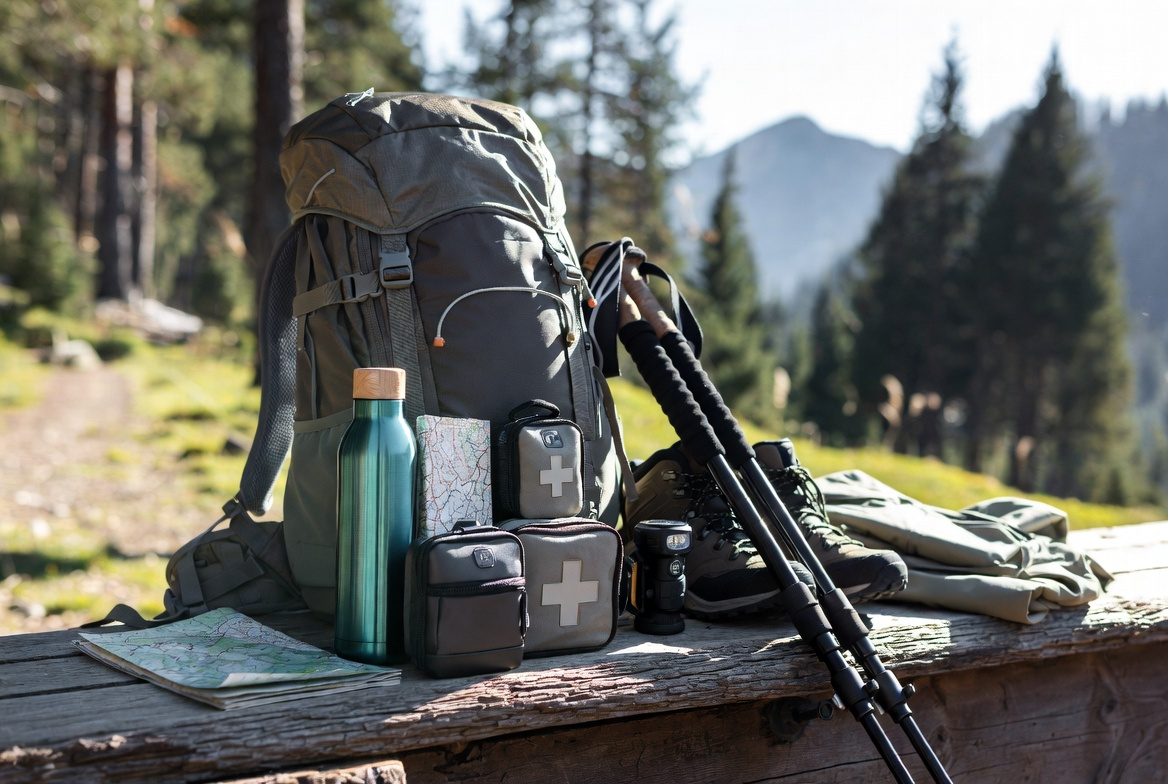
A good quality backpack is a necessity, you should always carry water, snacks, layers, first aid.
Look for: ventilated back panel, hip belt, chest strap, external pockets.
The Osprey Hikelite 26L Hiking Backpack is a favorite for beginners — lightweight, breathable, water resistant, and comfortable even when loaded.
3. Water & Hydration
Dehydration sneaks up fast.
Carry 2–3 liters minimum.
Insulated bottles keep water cold; hydration bladders are hands-free.
The Owala FreeSip Sway Insulated Stainless Steel Water Bottle (30 oz or 40 oz) is leakproof, easy to sip from, and keeps water cold for hours on hot trails.

Another great option to always have on you when you go on an outdoor adventure is the LifeStraw Personal Water Filter.
I take one of these with me every time I go into the woods, it is really nice to have peace of mind if your hike or quad trip goes longer than expected, or if I get stranded.
4. Layered Clothing System

Weather changes fast — dress in layers you can add/remove.
Base: moisture-wicking synthetic or merino shirt.
Mid: fleece or puffy for warmth.
Outer: waterproof/windproof shell like this Mens Lightweight Hooded Waterproof Rain Jacket that can easily be folded and tucked into your backpack when not required.
Quick-dry pants or convertible zip-offs.
Hat, gloves, buff for sun/cold.
5. Navigation

Phone + offline maps (AllTrails, Gaia GPS) is fine for starters.
Add a basic compass and paper map as backup.
Practice orienting the map before you need it.
If you plan to spend a lot of time out of cell service you might want to consider a small handheld Garmin inReach Mini 2, it allows you to stay in contact with home when out in the woods.
6. First Aid & Repair Kit

You never know what’s going to happen when out on the trails, cuts are very common when treking through the bush.
Keep a small kit with bandaids, blister pads, ibuprofen, tweezers, antiseptic, tape.
Multi-tool or knife for minor fixes.
The 13 in 1 Survival kit – 250 PCS First Aid Survival Kit is compact and covers most beginner emergencies.
7. Illumination Headlamp (not flashlight) — hands-free for early starts or late finishes.
50–200 lumens is plenty.
8. Sun & Bug Protection Sunscreen (SPF 30+), hat, bug spray, lip balm.
Mosquito head net for buggy areas.
Optional but Worth It Early
Trekking Poles Reduce knee strain by 25% on descents.
The Black Diamond Alpine Carbon Cork Trekking Poles are lightweight, adjustable, and comfortable for all-day use.
How to Test & Fit Gear Before Buying
- Try everything in-store if possible.
- Walk around for 10–15 minutes.
- Load the pack with weight.
- Bend, squat, reach — make sure nothing pinches or rubs.
- Buy from stores with good return policies for real-world testing on short walks.
Maintenance That Makes Gear Last Years
- Clean boots after every hike — remove mud, dry slowly.
- Wash synthetic clothes inside out, air dry.
- Store pack open so it doesn’t mildew.
- Check zippers, seams, and soles regularly.
- Small repairs early save big replacements later.
Common Beginner Gear Mistakes to Avoid
- Cotton t-shirts — they stay wet and cold.
- Cheap boots — blisters ruin hikes fast.
- No hip belt on pack — shoulders hurt after 2 miles.
- Overpacking — 20–30L is plenty for day hikes.
- Skipping blister prevention — moleskin or Leukotape is cheap insurance.
Making Hiking Gear Work for Your Lifestyle
- Start with 2–3 hikes per month.
- Upgrade one item per season as you learn what you need.
- Buy used from local outdoor groups or online marketplaces — great deals on barely used gear.
- Store gear clean and dry — ready for the next adventure.
Connect This to the Rest of Your Adventure Journey
The gear you choose now carries over to bigger trips.
Your pack and boots will serve you well when scouting off-grid land — see Best Land for Off Grid Living: What to Look For.
Check out my post on Navigation Without GPS: Basic Navigation Skills.
If you are looking to learn more about starting an off grid lifestyle, check out Building Off Grid Homes: Tiny Houses, Cabins & More.
FREQUENTLY ASKED QUESTIONS:
What’s the one piece of gear I should never cheap out on?
Hiking shoes/boots — blisters or twisted ankles ruin trips fast.
Do I need expensive waterproof clothing to start?
No — a basic rain shell is fine; focus on moisture-wicking layers underneath.
How much should I spend on a beginner daypack?
$80–$150 gets you something comfortable and durable that lasts years.
Is a satellite communicator really necessary for beginners?
Not for local trails with signal — but yes for remote areas or solo hikes.
Can I start hiking with just sneakers?
For very short, flat paths yes — but upgrade to trail shoes or boots quickly for safety.
Start building your hiking gear kit today with just one item — maybe the shoes or pack.
The trail is waiting, and the version of you that’s stronger, calmer, and more connected is just a few steps away.
You’ve got this.
Your outdoor adventures begin now.
Ready for the next step? Head over to First Backpacking Trip Planning: Beginner Guide and keep building your confidence outside.