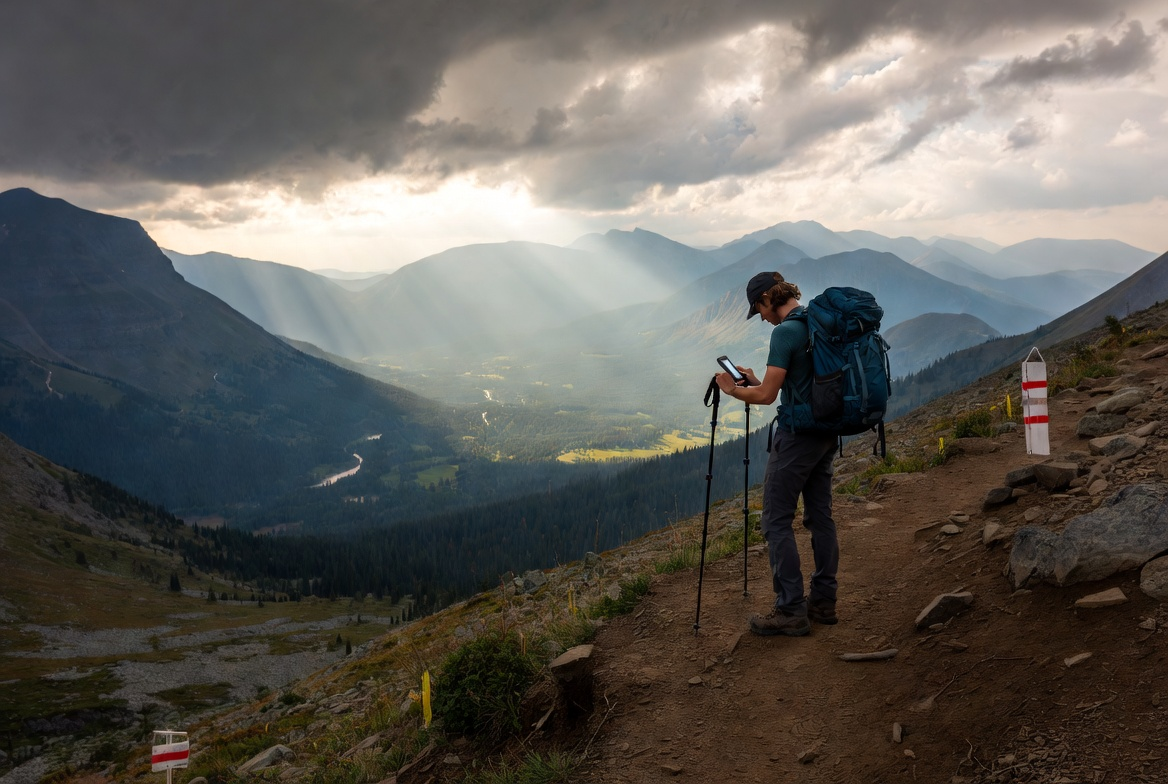
Solo Hiking Safety: Adventure Tips for Beginners
Imagine heading out alone on a quiet trail at dawn.
No chatter.
No schedule.
Just your footsteps, your breath, and the forest waking up around you.
The freedom is electric — but so is the responsibility.
Solo hiking strips away the safety net of companions.
One wrong turn, one twisted ankle, one sudden storm — and it’s all on you.
Yet thousands of people hike solo every weekend safely and return home stronger and more centered.
The difference is preparation, awareness, and simple habits that turn potential risk into manageable routine.
This guide is your complete beginner system for solo hiking safety.
You’ll learn how to plan smarter, pack for self-reliance, stay found and reachable, handle emergencies calmly, build mental toughness for alone time, choose safer routes and times, use gear that buys you time, and create personal safety rituals that become second nature.
By the end, you’ll have a clear solo-hiking checklist that lets you step onto the trail with calm confidence instead of worry.
Why Solo Hiking Is Worth Mastering (and Why Safety Comes First)
Hiking with others is fun — but solo hiking is transformative.
You set your own pace.
You stop when you want.
You hear your own thoughts.
Many people say their best trail moments happen alone.
But the margin for error shrinks.
No one to share gear, spot hazards, or call for help.
In 2026, solo hiking is safer than ever thanks to better gear and communication tools — but the fundamentals still matter most.

Pre-Trip Planning That Keeps You Safe
- Tell someone your plan
- Share exact route, trailhead, start time, expected return time, and car description.
- Use a check-in system: text when you start, when you summit/turn around, when you finish.
- If no check-in by deadline, they know to act.
- Choose the right route
- Start with familiar trails.
- Pick well-marked, popular paths with cell signal if possible.
- Avoid long exposed ridges or deep canyons on your first solos.
- Check conditions obsessively
- Weather 48 hours out.
- Trail reports for mud, snow, downed trees.
- Wildlife alerts (bears, cougars in your area).
- File a trip plan
- Some parks have voluntary registration kiosks.
- Use apps like Gaia GPS or Hiking Project to share live location if signal allows.
Essential Solo Gear Additions
Build on your day-hike kit with these extras for self-reliance:
Personal Locator Beacon / Satellite Communicator
Sends SOS with GPS coordinates anywhere on earth.
The Garmin inReach Mini 2 is compact, lightweight, and allows two-way texting — worth every penny for solo hikers.
Extra Navigation
Paper map + compass (phone backup only).
Mark car location and route before starting.
Emergency Shelter
Lightweight bivy sack or space blanket — fits in pocket, buys time if injured.
Extra Food & Water
Always carry 1 extra meal and 1L more water than planned.
Signaling
Whistle (3 blasts = distress), mirror for sunlight flashes.
First Aid Upgrade
Add pain meds, ankle wrap, emergency blanket, and personal meds.
Solo Hiking Safety Mindset & Habits
- Stay aware
- Scan ahead for hazards, listen for animals, watch footing.
- Don’t wear headphones — nature is your early warning system.
- Trust your gut
- If a trail feels wrong or someone makes you uneasy, turn around — no explanation needed.
- Check in regularly
- Pause every hour: assess energy, water, weather, route.
- Adjust plan if anything feels off.
- Know your limits
- Turn around early — summit fever kills more hikers than anything else.
- Practice self-rescue
- Know how to splint a leg, stop bleeding, treat hypothermia — basic first aid knowledge buys time.
What to Do If Things Go Wrong
- Lost
- STOP: Stop, Think, Observe, Plan.
- Stay put if unsure — most rescues find people who stay in one place.
- Injured
- Assess: can you walk?
- If no, activate SOS or whistle 3 times every few minutes.
- Treat what you can (blister, sprain) and stay warm/dry.
- Weather turns bad
- Put on layers and rain gear immediately.
- Find shelter (trees, rock overhang) if lightning.
- Head downhill toward roads if lost in storm.
Mental Preparation for Being Alone
- Solo hiking can feel lonely at first — that’s normal.
- Use it as meditation: focus on breath, footsteps, sounds.
- Carry a small journal — write thoughts at breaks.
- Talk out loud — it calms nerves and helps decision-making.

Common Solo Hiking Mistakes to Avoid
- Not telling anyone your plan — biggest risk.
- Overestimating fitness — turn around early.
- Skipping extra layers — weather changes fast.
- Relying only on phone — carry analog backup.
- Ignoring small injuries — they worsen quickly alone.
Making Solo Hiking a Safe Habit
- Start with short, familiar trails.
- Increase distance slowly.
- Build a personal safety checklist — review before every solo trip.
- Join local hiking groups for day trips — solo confidence grows from group experience.
Connect This to the Rest of Your Outdoor Journey
Solo skills build self-reliance that carries everywhere.
They help when scouting off-grid land alone — see Best Land for Off Grid Living: What to Look For.
They pair with navigation from Outdoor Navigation Tips: Map & Compass Basics.
And the mental toughness supports Off Grid Daily Life: Mindset & Routine Tips.
FAQ
Is solo hiking really safe for beginners?
Yes — with planning, good gear, and smart choices, it’s very safe on established trails.
What’s the single most important solo safety step?
Telling someone your exact plan and check-in times — it’s your lifeline.
Do I need a satellite communicator right away?
Not for popular trails with signal — but yes for remote or solo long trips.
What if I twist an ankle alone?
Treat with RICE (Rest, Ice, Compression, Elevation), use trekking pole as splint, activate SOS if you can’t walk.
How do I choose safer trails for solo?
Popular, well-marked, shorter routes with other hikers around — avoid remote backcountry at first.
Start your solo hiking journey today with one short, familiar trail.
Tell someone your plan.
Take that first step alone.
The quiet power you feel when you return is addictive.
You’ve got this.
The trail is yours — go claim it.
Ready for the next step? Head over to Family Outdoor Adventures: Kid-Friendly Tips and keep building your outdoor world.