Family Outdoor Adventures: Kid-Friendly Tips
Imagine loading the car on a Saturday morning.
Kids bouncing in their seats.
Snacks packed.
A short trail map on the dash.
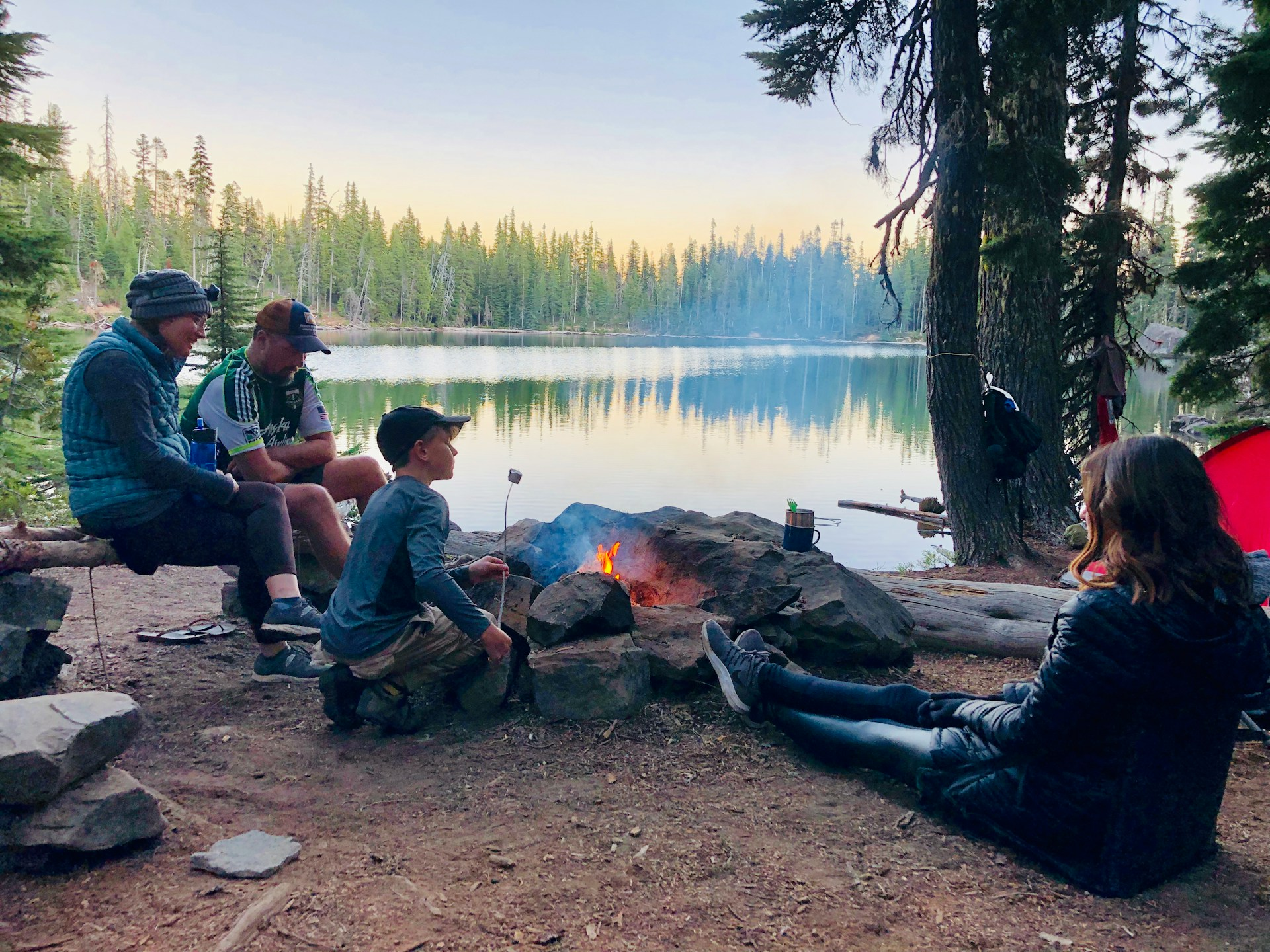
By lunchtime you’re all laughing at the edge of a small lake.
Kids throwing rocks.
You snapping photos.
No screens.
No arguments about screen time.
Just a few hours outside that everyone remembers for weeks.
That simple, joyful family connection is what outdoor adventures with kids deliver — and they’re easier to pull off than most parents think in 2026.
This guide is your complete beginner system for planning safe, fun, memorable family outdoor adventures.
You’ll learn how to choose age-appropriate trails, pack for kids without overpacking, keep everyone safe and engaged, handle meltdowns and energy crashes, make nature learning feel like play, gear that works for the whole family, weather strategies, recovery tips, and the mindset shifts that turn “family hike” from stressful to something everyone looks forward to.
By the end, you’ll have a ready-to-use checklist to create outdoor memories your kids will carry for life.
Why Family Outdoor Time Is One of the Best Investments You Can Make
Kids today spend more time indoors than any generation before.
Screens, schedules, safety worries — it adds up to less nature exposure.
But even short outdoor time changes that.
Studies show kids who play outside regularly have better focus, stronger immune systems, lower stress, better sleep, and stronger family bonds.
In 2026, trails are more family-friendly, kid gear is lighter, and apps make planning simple.
The key is starting small — short, fun outings that leave everyone wanting more.

Choosing the Right Trails for Kids (Age-by-Age Guide)
- Ages 3–5
- Flat, wide paths.
- 1–2 miles max.
- Payoff: lake, waterfall, bridge, playground at end.
- Time: 1–2 hours total.
- Ages 6–9
- 2–4 miles.
- Moderate elevation OK (300–600 ft).
- Payoff: cool rock to climb, stream to splash, viewpoint.
- Time: 2–4 hours.
- Ages 10–13
- 4–7 miles.
- 800–1,500 ft gain.
- Payoff: summit, cave, lake for swimming.
- Time: 4–6 hours.
- General rules
- Look for “family-friendly” or “easy” tags on AllTrails.
- Read recent reviews for kid mentions.
- Avoid long exposed ridges or deep water crossings early on.
Packing for Kids (Light & Smart)
- Kid Pack (5–10L)
- Let them carry their own snacks, water, favorite toy, extra layer.
- Makes them feel involved.
- Parent Pack
- Water (2L+ per person).
- Snacks (easy to share).
- First aid (blister pads, bandaids, pain meds).
- Extra clothes (socks, hat, gloves).
- Bug spray, sunscreen, small towel.
- Whistle, flashlight, small trash bag.
- **The *Osprey Hikelite 26L Hiking Backpack* works great for parent + kid snacks/layers — ventilated and comfortable for long carries.
- Kid Water
- The Owala FreeSip Sway Insulated Stainless Steel Water Bottle (kids love the straw and colors) — leakproof and keeps water cold.
First Aid

Going anywhere with children it is always a good idea to keep a good first-aid kit with you.
Kids are prone to all kinds of small cuts and scrapes, so it’s good to be prepared with the magic of a band aid.
I like this First-Aid kit, it has all of the essentials to fix up your crying loved ones.
Keeping Kids Engaged & Happy on Trail
- Make it a game
- Scavenger hunt: find 5 different leaves, spot 3 birds, count mushrooms.
- Storytelling: take turns adding to a silly trail story.
- Nature bingo: rocks, pinecones, animal tracks.
- Build in breaks
- Every 20–30 minutes: snack, water, explore (throw rocks in creek, climb safe boulder).
- Let them lead short sections — boosts confidence.
- Handle meltdowns
- Stay calm.
- Offer choices: “Do you want to walk or be carried for 5 minutes?”
- Have a “reset” snack or toy ready.
- Safety around kids
- Teach “stop and yell” if separated.
- Hold hands on narrow trails.
- Teach poison ivy/oak identification.
Weather & Safety Tips for Families
- Check forecast obsessively
- Avoid hot afternoons, lightning risk, heavy rain.
- Dress in layers — kids get cold fast when stopped.
- Carry extra
- Warm hats, gloves, rain ponchos (kids love colorful ones).
- Extra snacks and water — hungry kids melt down fast.
- Emergency prep
- Know nearest ranger station or road.
- Carry basic first aid and know kid-specific care (hydration, hypothermia signs).

Recovery & Post-Adventure Habits
- After the hike
- Snack + protein within 30 minutes.
- Stretch together (make it fun — “reach for the sky”).
- Warm bath or shower.
- Talk about favorite moments — builds positive memories.
- Next day
- Light walk or play — helps muscles recover.
- Celebrate with photos or a small reward.
Common Family Outdoor Mistakes to Avoid
- Choosing trails too long or hard — kids shut down.
- No snacks or breaks — energy crashes.
- Forcing pace — let them set rhythm.
- No backup plan for weather — always have car option.
- Ignoring blisters early — check feet at every break.
Making Family Adventures a Regular Habit
- Start with 1–2 short trips per month.
- Involve kids in planning — let them pick destination or snacks.
- Keep a family adventure journal — photos, drawings, notes.
- Celebrate every trip — ice cream or movie night.
- Over time, kids start asking to go — momentum builds itself.

Connect This to the Rest of Your Outdoor Journey
Family adventures build the same resilience you need off grid.
Kids learn self-reliance early — see Off Grid Daily Life: Mindset & Routine Tips.
Thinking of moving the family to a self-sustainable living— Best Land for Off Grid Living: What to Look For.
First aid basics are a must when outdoors with kids- Outdoor First Aid – Wilderness Wound Care.
FREQUENTLY ASKED QUESTIONS:
What’s the best age to start family hiking?
Any age — toddlers in carriers, preschoolers 1–2 miles, older kids 3–6 miles.
How do I keep young kids from getting bored?
Games, scavenger hunts, snacks, and short distances with a fun destination.
Is it safe to take kids on trails?
Yes — choose easy, popular routes, supervise closely, and teach basic safety.
How do I handle meltdowns on trail?
Stay calm, offer choices, have a reset snack or toy, and know it’s normal.
How often should families go outside?
1–2 short trips per week + longer ones monthly — consistency beats intensity.
Start your first family adventure today — pick a short trail and pack snacks.
The memories you make in nature last longer than any toy or screen.
You’ve got this.
Your family’s outdoor story is just beginning.
Ready for the next step? Head over to Weather-Proofing Your Outdoor Trips: Packing Guide and keep building your family adventures.