Few things feel more isolating than realizing you’re lost or in trouble far from help. The trail vanishes, your phone dies, fog rolls in, and suddenly the quiet wilderness feels vast and indifferent. Your heart pounds.
Every instinct screams to shout, run, do something. But the single most important decision you make in that moment isn’t about moving—it’s about being found.
The universal distress signal is simple: three of anything. Three whistle blasts. Three mirror flashes. Three fires. Three shouts. Three gunshots. Three piles of rocks or logs in a triangle.
This pattern has been the international standard for over a century because it stands out against natural patterns and is instantly recognized by rescuers worldwide.
This guide explains exactly how and why the three signals for help work, when to use each method, and how to make yourself impossible to miss.
These are proven, no-nonsense survival skills essentials that have brought thousands of people home safely. Let’s get you ready to send the signal that gets you rescued.

What Are the Three Signals for Help?
The three signals for help are the internationally recognized universal distress signal used in wilderness, maritime, and aviation emergencies. The standard is to repeat three identical signals in quick succession, followed by a one-minute pause, then repeat again if possible.
The most common methods include:
- Audible: Three loud whistle blasts, three shouts, or three gunshots.
- Visual: Three fires in a triangle (day: smoke; night: flame), three mirror flashes, three ground-to-air symbols (e.g., SOS or X), or three piles of rocks/logs.
- Why three? The number three breaks natural patterns (animals, wind, waves rarely repeat exactly three times) and is universally taught and understood by search-and-rescue teams globally.
This pattern is endorsed by organizations including the US Coast Guard, ICAO (International Civil Aviation Organization), and wilderness survival authorities.
Why the Three Signals for Help Work So Well
Nature is full of random sounds and shapes. A single shout or fire blends in. Two might be coincidence. Three is deliberate and unnatural — it screams “human in distress” to anyone trained to look or listen for it.
Search-and-rescue teams are drilled to recognize the pattern immediately. Pilots scan for three fires or three ground symbols. Ground teams listen for three blasts on a whistle because one blast could be a bird, two could be wind, but three is a person calling for help.
Real example: In 2024, a lost hiker in British Columbia was located within hours after rescuers spotted three small fires in a triangle from the air. The pattern gave them certainty it wasn’t a natural burn.
How to Use Audible Signals (Whistle, Shout, Gunshot)
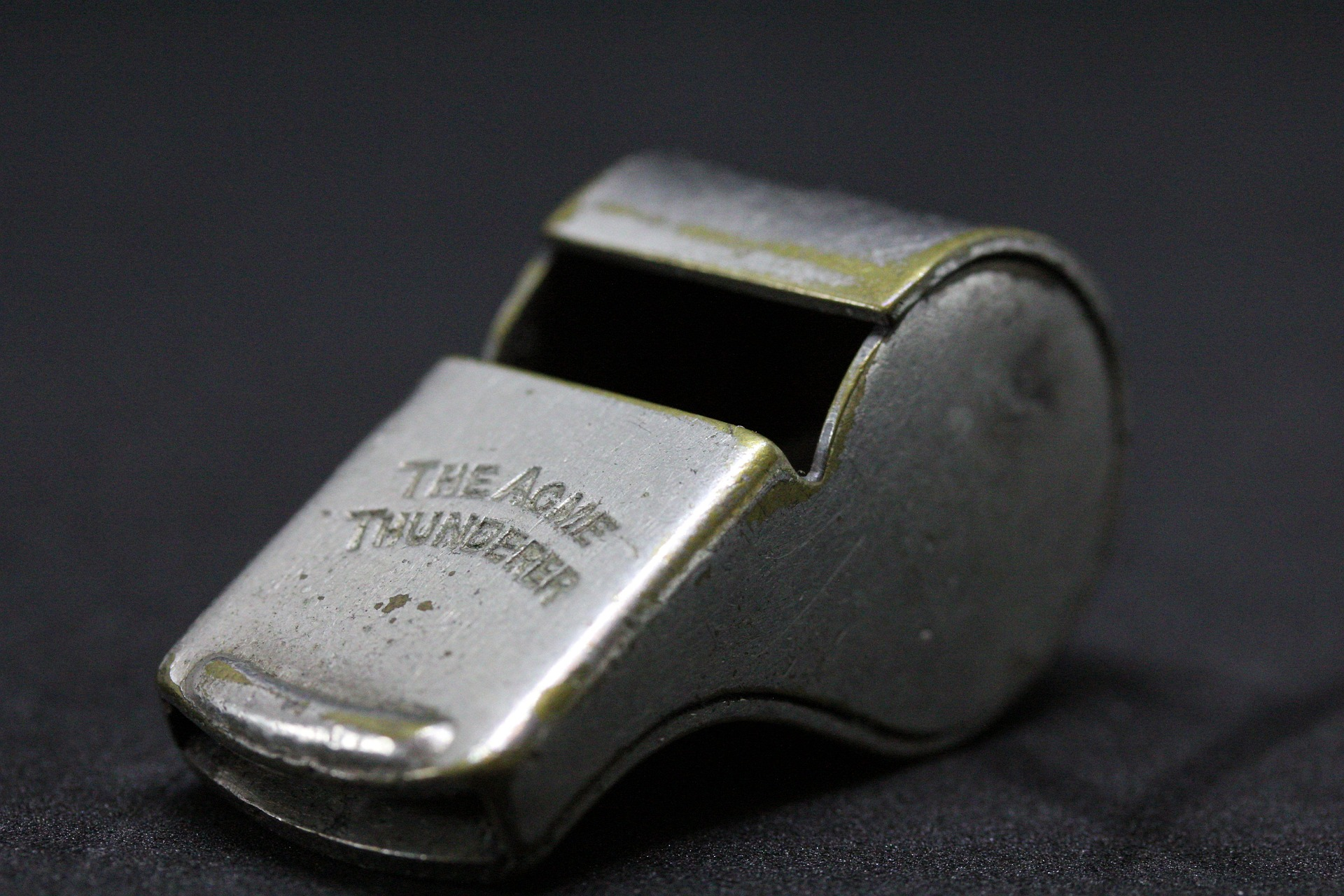
The whistle is the most effective audible tool because it carries farther than the human voice (up to 1 mile or more in open terrain) and requires less energy. Carry a pealess whistle — they work when wet and don’t freeze.
Technique:
- Blow three sharp, one-second blasts.
- Pause for one minute.
- Repeat if possible.
- If no whistle, use three loud shouts or (in hunting/fishing contexts) three gunshots spaced one second apart.
Mistake to avoid: Continuous yelling — it exhausts your voice quickly and makes it harder to be heard later.
How to Use Visual Signals (Mirror, Fire, Ground Patterns)
Visual signals are critical when rescuers are searching from air or distant ridges.
- Signal mirror: Tilt to catch sunlight and flash three times toward aircraft or searchers. Practice aiming by reflecting light onto your hand first.
- Three fires/smoke: Build three fires in a triangle (25–30 feet apart). Add green leaves for thick white smoke by day; keep bright at night.
- Ground-to-air symbols: Use rocks, logs, or stomp large letters in snow/grass: X (need help), SOS, arrow pointing to your location.
Tip: Make signals as large as possible (at least 10–20 feet across) and high-contrast (dark on light ground or vice versa).
When & Where to Send the Three Signals for Help
Send signals as soon as you realize you’re in trouble — don’t wait until you’re exhausted or injured. Best locations:
- Open ridges or clearings (visible from air).
- Near water or trails (common search routes).
- High ground (sound carries farther, easier to see fires).
If you’re mobile and have a clear path to safety, move carefully while signaling along the way. If unsure, stay put and signal aggressively — rescuers start their search near your last known position.
Common Mistakes & How to Avoid Them
- Sending one or two signals — blends into natural noise.
- Building fires too close together — looks like a single fire from air.
- Not pausing between sets — makes the pattern unclear.
- Using continuous yelling — loses voice quickly.
Practice the three-signal pattern on safe hikes so it becomes automatic.
Real-Life Examples
In 2025, a solo hiker in the Pacific Northwest used three mirror flashes to attract a passing helicopter after becoming disoriented in fog. The pilot recognized the pattern immediately and directed ground teams to her location within hours.
In another case, a family lost on a day hike built three small fires in a triangle. The smoke plume was spotted from a nearby ridge lookout, leading to a quick rescue.
These stories show the pattern works — when rescuers see or hear three, they know it’s human distress.
How to Practice the Three Signals for Help
- On safe hikes, practice three whistle blasts every hour or so.
- Test a signal mirror on sunny days — aim flashes at distant objects.
- Build small, safe signal fires (with permit/permission) to understand smoke patterns.
The more familiar you are, the faster you’ll act when it matters.
Conclusion
Being lost or in distress is frightening, but the universal distress signal — three signals for help — gives you a clear, proven way to be found.
Three whistle blasts, three mirror flashes, three fires, three ground symbols — this simple pattern has saved countless lives and is recognized worldwide.
Practice it before you need it. Carry a whistle, know your mirror technique, and understand where to place fires.
These survival skills essentials turn a scary situation into a manageable one. You have the power to make yourself seen and heard.
Stay prepared. Stay signal-ready. Help is closer than you think.