
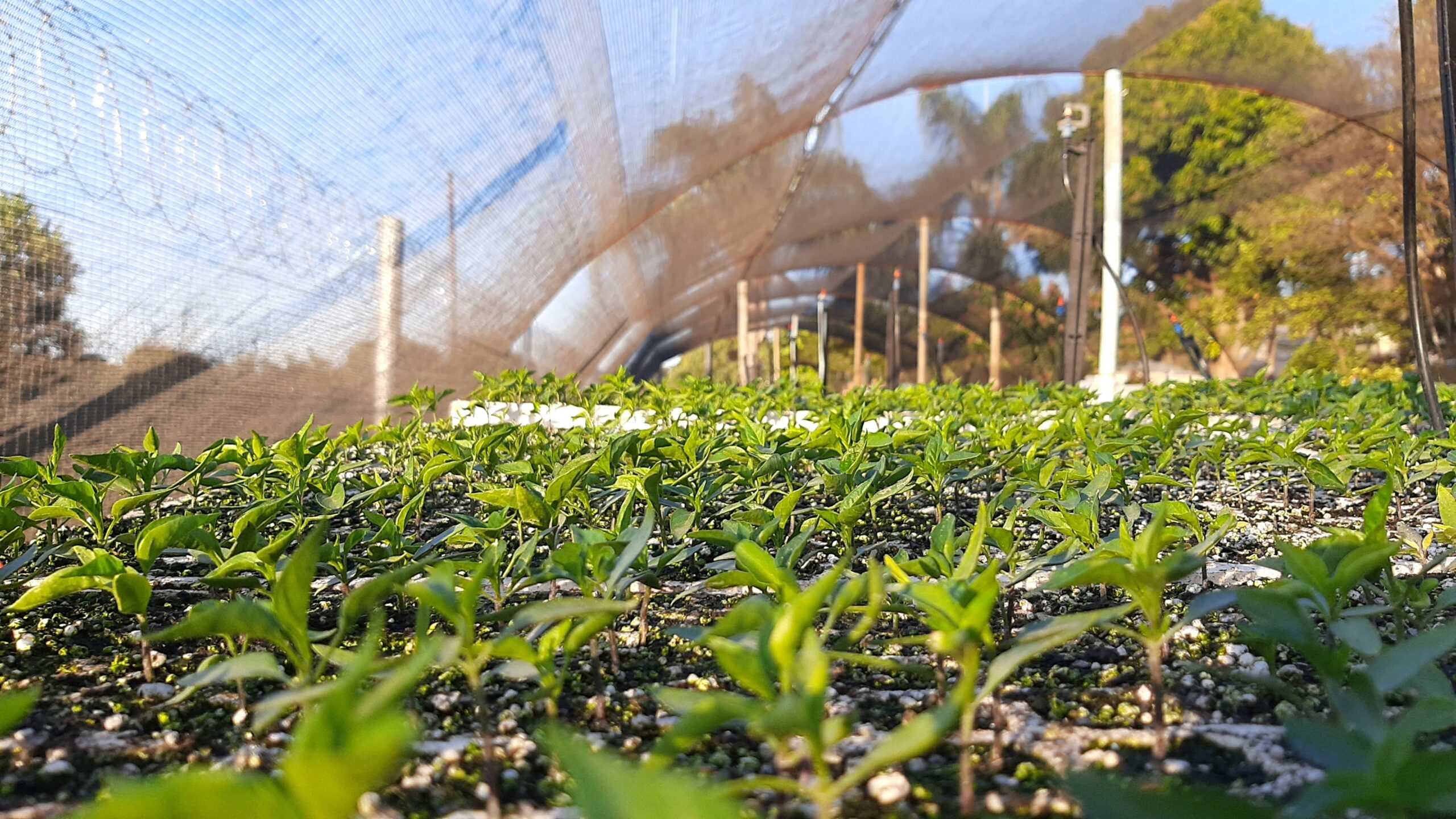
Top 10 Sustainable Living Practices to Start in 2026
Sustainable living practices offer a positive path toward lighter environmental impact while enriching daily life with intention and simplicity.
These habits help preserve natural resources, lower household costs, and create a greater sense of harmony with the world around us. Many people begin with small changes that quickly become second nature and deliver real satisfaction.
This pillar guide presents the top 10 sustainable living practices that appear most frequently in current guides and have proven effective for everyday people.
Each practice includes practical steps and benefits, with dedicated in-depth articles coming for every one. Start here for an inspiring overview, then explore the topics that resonate most with you.
Ready to bring more balance and purpose into your routine? Let’s discover these sustainable living practices together.
1. Reduce Reuse Recycle: Easy Waste Reduction Tips
The three Rs form the foundation of responsible consumption. Reducing means buying only what you truly need and choosing items with minimal packaging. Reusing extends the life of products through repair, repurposing, or sharing with others. Recycling keeps materials in circulation by sorting properly and supporting local programs.
These steps cut down on landfill waste and conserve raw resources. Simple swaps—like using cloth bags or refillable containers—add up quickly and feel good to implement. Over time, your home generates noticeably less trash.
Embracing the 3Rs creates a cleaner, more mindful living space. You’ll notice the satisfaction of making thoughtful choices every day. Curious which common household items are easiest to reuse creatively for zero extra cost? Our full reduce-reuse-recycle guide shares practical ideas and examples—continue the series to explore more.

2. Plant-Based Diet for Beginners: Easy Low-Meat Tips
Eating more plants lowers your environmental footprint while supporting personal health. Focus on whole foods like vegetables, legumes, grains, nuts, and fruits that require fewer resources to produce. Gradually replace meat with satisfying alternatives such as beans, lentils, tofu, or plant-based proteins.
Meal planning around seasonal produce reduces transportation emissions and keeps grocery costs down. Simple recipes—stir-fries, hearty soups, grain bowls—make the transition enjoyable and flavorful. Many people report feeling lighter and more energized after a few weeks.
This dietary shift brings nourishment and a deeper appreciation for food. It connects your plate to the health of the planet. Wondering which easy plant-based meals deliver the most protein without complicated ingredients? The dedicated low-meat diet article provides recipes and nutrition tips—read on in the series to find out.

3. Energy Efficiency at Home: Simple Money-Saving Habits
Small energy-saving habits deliver quick wins for both wallet and environment. Switch to LED bulbs, unplug devices when not in use, and use power strips to eliminate phantom loads. Adjust thermostat settings slightly and wash clothes in cold water whenever possible.
Seal drafts around windows and doors to retain heat in winter and keep cool air inside during summer. Natural lighting and efficient appliances further reduce consumption. Consistent habits compound into significant monthly savings.
Living more efficiently feels smart and empowering. You’ll enjoy a comfortable home while using less energy. Curious how much you can realistically save by upgrading just a few appliances? Our energy efficiency guide calculates potential reductions and shares easy upgrades—keep exploring the series for details.

4. Ditch Single-Use Plastics: Easy Reusable Swaps
Eliminating single-use plastics reduces ocean pollution and waste volume dramatically. Replace plastic bags with cloth totes, bottled water with stainless steel bottles, and disposable straws with reusable metal or bamboo versions. Coffee cups, food containers, and cutlery follow the same principle.
Choose durable alternatives made from glass, stainless steel, or natural fibers. Many stores now offer refill stations for household items. These swaps become effortless after a short adjustment period.
Making the switch feels liberating and purposeful. You’ll carry less guilt and more reusable items with pride. Ever wondered which reusable products last longest and offer the best value? The single-use plastics guide reviews top options and transition tips—continue the series to learn more.

5. Composting for Beginners: Easy Food Waste Tips
Composting transforms kitchen scraps into nutrient-rich soil for gardens or houseplants. Use a countertop bin for vegetable peels, coffee grounds, eggshells, and yard trimmings. Balance greens and browns to avoid odors and speed decomposition.
Preventing food waste starts with smart shopping—buy only what you’ll use and plan meals ahead. Store produce properly and repurpose leftovers creatively. These habits extend food life and reduce methane emissions from landfills.
Composting closes the loop beautifully and enriches your soil. You’ll feel connected to natural cycles. Curious which simple home composting systems work best in smaller spaces? Our composting and waste prevention article compares methods and troubleshooting—read ahead in the series for more.

6. Conserve Water at Home: Easy Daily Habits
Water conservation protects this precious resource and lowers utility bills. Install low-flow showerheads, faucets, and toilets that use significantly less water without sacrificing performance. Fix leaks promptly, as even small drips add up over time.
Shorten showers, turn off taps while brushing teeth, and run full loads in dishwashers and washing machines. Collect shower warm-up water for plants or cleaning. These changes become automatic quickly.
Using water mindfully brings a sense of stewardship and gratitude. You’ll appreciate every drop more fully. Wondering how greywater systems can safely reuse household water for irrigation? The water conservation guide explores fixtures and advanced options—keep reading the series to discover them.

7. Sustainable Shopping: Mindful Consumption Tips
Mindful consumption focuses on quality over quantity and intentional purchases. Ask whether an item is necessary, durable, and ethically produced before buying. Support brands that prioritize fair labor, recycled materials, and transparent supply chains.
Shop second-hand, borrow items when possible, and repair instead of replace. Bulk buying reduces packaging waste and saves money. These choices align spending with values.
Shopping sustainably feels clarifying and empowering. You’ll own fewer things but appreciate them more. Curious which everyday categories offer the biggest impact when shifting to sustainable options? Our mindful consumption article lists priorities and reliable sources—continue the series for more.

8. Eco-Friendly Fashion: Sustainable Textiles Guide
Sustainable fashion emphasizes timeless pieces made from natural or recycled fibers. Choose clothing from organic cotton, linen, hemp, or responsibly sourced wool. Buy second-hand or from brands that prioritize repair programs and circular design.
Wash less frequently, air-dry when possible, and mend small tears to extend garment life. Capsule wardrobes simplify choices and reduce overconsumption. These habits refresh your style while lowering impact.
Building a sustainable wardrobe brings confidence and clarity. You’ll love wearing pieces that align with your values. Ever wondered which fabrics perform best for durability and low environmental footprint? The eco-friendly fashion guide compares materials and care tips—explore the series to learn more.

9. Green Cleaning: Non-Toxic Home Products Guide
Green cleaning uses simple, safe ingredients that work effectively without harsh chemicals. Vinegar, baking soda, castile soap, and essential oils handle most surfaces and tasks. DIY recipes cost little and avoid indoor air pollution.
Choose certified eco-friendly products when convenience is needed. Microfiber cloths reduce chemical reliance and capture dust better. These swaps create a healthier home environment.
Switching to green cleaning feels refreshing and responsible. You’ll breathe easier knowing your space is truly clean. Curious which homemade cleaners tackle specific messes most effectively? Our green cleaning article shares recipes and comparisons—read on in the series for practical solutions.

10. Local Seasonal Food: Easy Support Tips
Supporting local and seasonal food shortens supply chains and strengthens communities. Shop at farmers markets, join community-supported agriculture programs, or grow a small garden. Choose produce in season for peak flavor and nutrition.
Preserve excess through canning, freezing, or drying to enjoy year-round. These connections deepen appreciation for food origins and cycles. Local eating often tastes better and supports regional economies.
Engaging with local food systems nourishes body and community. It’s a joyful way to live more sustainably. Wondering which seasonal foods offer the most versatility and nutrition in different climates? Our local and seasonal food guide covers sourcing and preservation methods—finish the series to complete your sustainable living practices journey.
Conclusion for Sustainable Living Practices
These sustainable living practices are simple, joyful ways to live lighter on the planet while enriching your own days with purpose and clarity.
From the 3Rs, eating more plants, boosting home energy efficiency, ditching single-use plastics, composting, conserving water, shopping mindfully, choosing eco-friendly fashion, green cleaning, and supporting local seasonal food, each habit creates real change—less waste, lower costs, cleaner air, and a deeper sense of harmony.
The magic is in the ease: pick one practice today—maybe start composting scraps or carrying a reusable bottle—and watch it become automatic.
Small shifts compound into a lifestyle that feels good inside and out. Sustainable living isn’t sacrifice—it’s an upgrade. Every mindful choice nourishes you and the world.