Imagine opening your monthly water bill and seeing it $40–70 lower than last month, just because you learned how to conserve water at home, all while your beautiful garden stays lush, and your showers feel just as refreshing.
That’s exactly what thousands of families are experiencing in 2026 with simple daily habits that cut water use dramatically without any sacrifice.
This guide gives you the complete, beginner-friendly system to conserve water at home
Room-by-room strategies, real-life savings examples, common pitfalls to avoid, and easy tracking methods that deliver measurable results fast.
Why Conserving Water at Home Matters More Than Ever in 2026
Water scarcity is hitting more regions every year due to climate shifts, growing populations, and outdated infrastructure.
The average U.S. household still uses around 300 gallons per day, according to the U.S. Environmental Protection Agency, with leaks alone wasting up to 10,000 gallons annually in many homes.
Every gallon you save reduces pressure on local treatment plants, lowers your energy bills (heating and pumping water uses electricity), and protects rivers and aquifers downstream.
Families who adopt these sustainable water habits report consistent wins:
- Monthly bills dropping $300–600 a year
- Healthier lawns and gardens that need less frequent watering
- A real sense of contribution to eco-friendly home practices
- Kids naturally picking up the habits and feeling proud when they help
These changes also pair beautifully with the energy-efficiency habits from Energy Efficiency at Home: Simple Money-Saving Habits because less hot water means less electricity used to heat it.

Room-by-Room Water-Saving System
(Start Today for Immediate Results)
Implement these detailed, proven tactics one room at a time and you’ll see your meter reading drop almost immediately.
Bathroom (usually 60–70% of household use)
- Turn the faucet off while brushing teeth or shaving — a running tap wastes up to 10 gallons in five minutes.
- Switch to a 5-minute shower instead of 10-minute ones; adding a low-flow showerhead (under 2.5 gallons per minute) can save 20–30 gallons per person daily.
- Fix any dripping faucets or toilets right away — one slow drip wastes 20 gallons a day and a leaky toilet can silently waste 200 gallons daily.
- Install inexpensive Low-Flow Aerators on every faucet (under $10 each); they cut flow by 30–50% while keeping strong pressure.
- For even bigger savings, place a bucket in the shower to catch cold water while it warms up and reuse it for plants or cleaning.
- Many families also keep a durable reusable bottle like the Bambaw Stainless Steel Water Bottle right by the sink to capture that cold water and carry it straight to the garden.
Kitchen:
- Scrape plates instead of rinsing under running water before loading the dishwasher — that habit alone saves 10–15 gallons per meal.
- Always run the dishwasher and washing machine only when completely full; a half-load still uses nearly the same water as a full one.
- Wash produce in a filled basin rather than under a running tap, then reuse that water for houseplants or outdoor pots.
- Keep a pitcher of chilled water in the fridge so you’re not running the tap for minutes waiting for cold water.
- Bonus tip: Use a dishpan for hand-washing dishes and reuse the soapy water for wiping counters or mopping floors.

Switching to an insulated bottle like the Owala FreeSip Sway Insulated Stainless Steel Water Bottle for daily drinking makes it easy to skip the tap altogether and keeps water perfectly cold all day.
Laundry
- Wash only full loads and stick to the cold-water cycle — hot water doubles both water and energy use.
- Choose high-efficiency washers when it’s time to replace an old machine; they use up to 50% less water per load.
- Air-dry clothes whenever possible to avoid the extra water that some dryers consume in moisture-sensing cycles
Outdoor & Garden
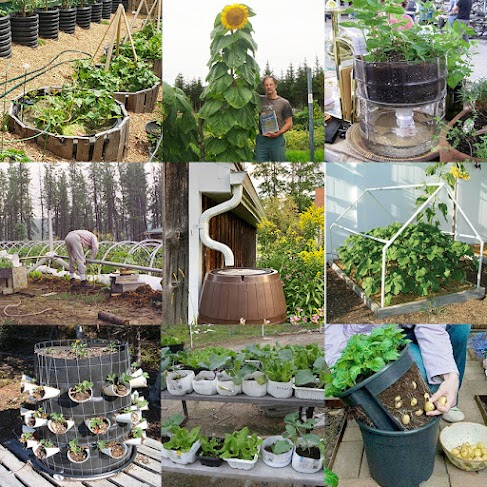
- Water early in the morning or evening to minimize evaporation. Install a rain barrel to capture free roof runoff — the SKM Collapsible Portable Rain Barrel (53 Gallon) sets up in minutes and provides hundreds of gallons of free water for plants, cutting outdoor use dramatically.
- Spread 2–3 inches of mulch around garden beds and trees to lock moisture in the soil and reduce watering needs by up to 50%.
- Use soaker hoses or drip irrigation instead of sprinklers; they deliver water directly to roots with almost zero waste.
- These practical swaps can easily save a typical household 50–100 gallons per day — and the best part is they become automatic after just a couple of weeks.
Common Mistakes People Make (and How to Fix Them Fast)
- Leaving the garden hose running while washing the car is one of the biggest hidden wastes; fix it by using a spray nozzle with an on/off trigger and wash in sections.
- Overwatering lawns because of automatic sprinklers happens all the time — install a simple rain sensor or smart timer so the system skips rainy days.
- Ignoring small leaks because “they’re just drips” costs thousands of gallons yearly; test toilets monthly with the food-coloring trick and check outdoor faucets seasonally.
- Running the tap while waiting for hot water wastes gallons daily — insulate hot-water pipes or add an on-demand recirculating pump for bigger homes.
- Apartment dwellers can still cut usage 25–35% by focusing on aerators, shorter showers, and full-load laundry.
Making Water Conservation Automatic and Trackable
Turn these tips into effortless habits that run on autopilot:
- Set a Sunday phone reminder to walk the house checking for leaks and reviewing your water meter reading.
- Use a free app like “Water Tracker” or simply photograph your bill each month — watching the numbers drop is incredibly motivating.
- Get the whole family involved with a fun “water-saving challenge” and small rewards (pizza night or a movie) when the bill decreases.
- Place reminder stickers on faucets and the shower door until the habits stick.
Most people notice the first real savings on their very next bill. After 30 days the changes feel completely natural and you’ll catch yourself automatically turning off taps without thinking.
Connect Water Conservation to the Rest of Your Sustainable Life
- Once you can conserve water at home like a pro, the next steps flow naturally. Pair these habits with the energy-saving tips from Energy Efficiency at Home: Simple Money-Saving Habits to reduce both water and electricity bills at once.
- When you’re ready for full independence, dive into Rainwater Harvesting for Off Grid Living — it takes your home system to the next level.
- These same habits also help prevent frozen pipes in colder climates and tie in perfectly with How to Prevent Hypothermia: Outdoor Survival Guide by keeping your home systems efficient year-round.
Conserve Water at Home 30-Day Challenge:
- Week 1: Focus on bathroom and kitchen habits — install aerators and time your showers.
- Week 2: Switch to full loads only and set up the rain barrel for outdoor use.
- Week 3: Check and fix any leaks plus mulch your garden beds.
- Week 4: Track your meter reading or bill and celebrate the difference with the family.
You’ll be amazed how quickly your usage drops and how much lighter your bills feel.
Start right now with the easiest win: turn off the faucet while brushing your teeth tonight. Then add one more habit tomorrow. Before long, conserving water at home will feel completely natural, your bills will stay low, your garden will thrive, and you’ll be living a smarter, greener lifestyle in 2026.
You’ve got this. Your wallet, your garden, and the planet will thank you every single day.
How can I save water in the bathroom?
Turn off the faucet while brushing your teeth and switch to low-flow showerheads to easily cut bathroom water use in half without changing your routine.
How do I check for toilet leaks?
Add food coloring to the tank and wait 30 minutes; if color appears in the bowl without flushing, fix the leak to stop wasting thousands of gallons a year.
Should I run the dishwasher or washing machine only when full?
Yes, running full loads in both machines can save up to 20 gallons per load and significantly reduce your overall water bill.
How much water can I save by fixing leaks?
A single leaky faucet or toilet can waste 20 to 200 gallons per day, so fixing them quickly can save hundreds of dollars and thousands of gallons annually.
Ready for the next step? Head over to Sustainable Shopping: Mindful Consumption Tips and keep building your sustainable lifestyle.