Off Grid Living Challenges: How to Overcome Them
Picture this.
You’re six months in.
The solar is humming.
Garden is growing.
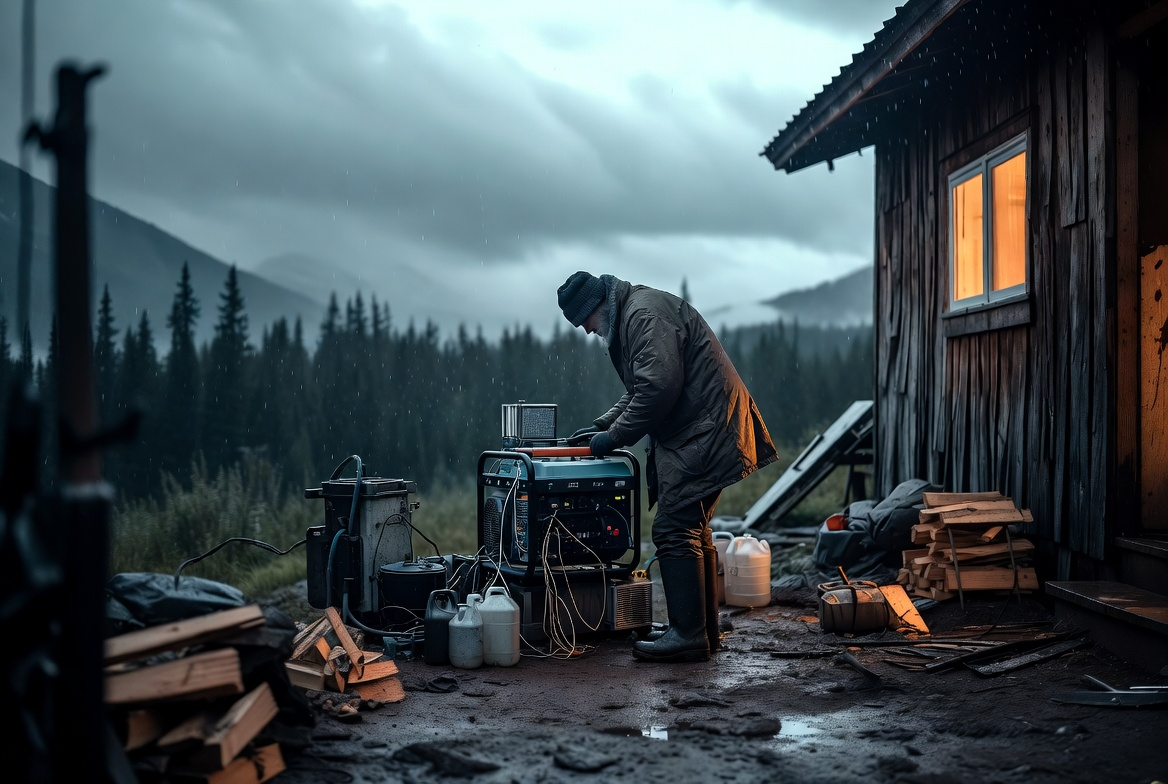
But the well pump just died at dusk, it’s 20 below outside, and your phone has no signal.
Heart races for a second.
Then you smile — because you already know exactly what to do.
That calm confidence is what separates dreamers from people who actually thrive off grid.
Challenges don’t disappear — they just become problems you’ve already solved.
This guide walks you through the 10 most common off-grid living challenges and gives you practical, proven ways to overcome each one.
You’ll get real timelines, tools, mindset shifts, backup plans, and lessons from families who’ve already been there.
By the end, you’ll have a mental toolkit that turns potential disasters into minor inconveniences — so you can enjoy the freedom instead of fighting it.
Why Off Grid Living Challenges Are Normal (and Actually Good)
Off-grid living isn’t “easy” — it’s rewarding.
Every challenge teaches you something valuable: self-reliance, patience, creativity, resourcefulness.
The people who quit usually hit one big problem and have no plan.
The people who stay solve it, learn, and get stronger.
In 2026, the tools (solar, batteries, internet options) are better than ever — so the gap between “problem” and “solved” is smaller than it’s ever been.
Challenge 1: Power Outages & Battery Management
Problem
Cloudy weeks, winter short days, or a failed component leaves you dark.
Solutions
- Size batteries for 3–5 days of autonomy (most beginners under-size).
- Add a small backup generator or wind turbine for extended bad weather.
- Use the EF ECOFLOW Portable Power Station DELTA 2 as a portable reserve — 1024Wh jumps in when main batteries dip low.
- Track daily production/consumption with a simple app or meter.
- Practice “load shedding” — know what you can turn off first.
Challenge 2: Water Shortages or System Failures
Problem
Drought, frozen lines, pump failure, or contamination.
Solutions
- Store at least 30–60 days of water (rain barrels + cistern).
- Have a manual hand pump as backup for drilled wells.
- Insulate all exposed pipes and use heat tape on critical lines.
- Test and treat rainwater regularly — UV or simple bleach protocol.
- Build redundancy: multiple collection points and filtration stages.
Challenge 3: Winter Cold & Heating
Problem
Extreme cold drains batteries fast and makes daily life uncomfortable.
Solutions
- Oversize wood stove + dry firewood supply (6–12 cords).
- Super-insulate walls/roof (R-40+).
- Use thermal curtains and passive solar gain (south windows).
- Keep propane backup heater for emergencies.
- Layer clothing and use a small electric blanket on solar power.
Challenge 4: Isolation & Mental Health
Problem
Loneliness, cabin fever, or feeling “stuck.”
Solutions
- Build community — join local homesteading groups or barter networks.
- Schedule regular town trips for social contact.
- Create routines: morning coffee on porch, weekly video calls.
- Practice gratitude journaling — write three things you love about off-grid life daily.
- Keep hobbies that don’t need power (reading, carving, music).
Challenge 5: Food Supply & Garden Failures
Problem
Crop failure, pests, or running low on staples.
Solutions
- Plant 30–50% more than you think you need (buffer for losses).
- Grow calorie-dense staples: potatoes, beans, corn, squash.
- Preserve aggressively: canning, dehydrating, root cellaring.
- Keep 6–12 months of dry goods as backup.
- Start small livestock early — eggs and meat are reliable.
Challenge 6: Maintenance & Repairs
Problem
Things break and parts are hours away.
Solutions
- Stock common spares: fuses, belts, filters, wire.
- Learn basic skills: plumbing, electrical, small engine repair.
- Build relationships with local mechanics and suppliers.
- Use modular systems (easy-to-swap components).
- Schedule seasonal inspections (fall for winter prep).
Challenge 7: Legal & Zoning Issues
Problem
Unexpected rules or neighbor complaints.
Solutions
- Research zoning BEFORE buying land.
- Document everything (photos, permits, well logs).
- Be a good neighbor — communicate early and often.
- Join homesteading forums for county-specific advice.
- Keep a low profile on visible systems if needed.
Challenge 8: Cash Flow & Income
Problem
No steady paycheck, unexpected expenses.
Solutions
- Build 12–24 months of living expenses before quitting job.
- Create side income: eggs, veggies, firewood, crafts, online work.
- Barter skills/services with neighbors.
- Keep costs ultra-low (no cable, minimal subscriptions).
- Track every dollar for first year.
Challenge 9: Wildlife & Security
Problem
Bears, coyotes, thieves, or curious visitors.
Solutions
- Secure trash, compost, and livestock areas.
- Use motion lights and solar cameras.
- Build strong fencing and locks.
- Keep a firearm or non-lethal deterrent if legal/comfortable.
- Know your local predators and seasonal patterns.
Challenge 10: Motivation & Burnout
Problem
The romance fades and chores feel endless.
Solutions
- Celebrate small wins: first egg, first full solar day.
- Schedule “easy days” with no major projects.
- Take mini-vacations — visit town or friends.
- Remember why you started — write it down and reread often.
- Build systems that automate as much as possible.
Making It All Stick Long-Term
- Create a seasonal checklist: spring prep, summer maintenance, fall harvest, winter backup.
- Review progress every 3 months — adjust what’s not working.
- Keep a “lessons learned” notebook — it becomes your most valuable asset.
- Most families say year 2 is dramatically easier than year 1.
Connect This to the Rest of Your Off-Grid Journey
Every challenge you solve makes the next step smoother.
Power issues get easier with Off Grid Solar Power Systems: Beginner Guide.
Water challenges fade with Rainwater Harvesting for Off Grid Living.
Daily routines become enjoyable when you follow Off Grid Daily Life: Mindset & Routine Tips.
And your first garden harvest feels even sweeter after reading Growing Food Off Grid: Gardens & Livestock Basics.
FREQUENTLY ASKED QUESTIONS:
What’s the hardest challenge most people face off grid?
Winter power and heating — plan oversized systems and backup heat early.
How do I stay motivated when things break?
Celebrate small wins, keep a lessons-learned journal, and remember why you chose this life.
Is off-grid living lonelier than people expect?
It can be — build community early through local groups, online forums, and neighbor relationships.
Can kids handle off-grid challenges?
Yes — involve them early; they adapt fast and often thrive with structure and purpose.
How long until challenges feel normal?
Most say 12–24 months — year one is learning, year two is living.
You’ve got this.
Every challenge you face is just training for the freedom on the other side.
The day you look back and realize you handled everything — that’s when you know you’re truly off grid.
Ready for the next step? Head over to Off Grid Daily Life: Mindset & Routine Tips and keep building your self-sufficient life.