How to Start Off Grid Living: Step by Step
Imagine standing on your land with a clear roadmap in hand.
You know exactly what to do first.
Found a realistic timeline.
You know the budget range.
And you know how to avoid the most common and expensive mistakes.
That calm, confident feeling is what having a solid step-by-step plan gives you when you decide to start off grid living.
In 2026, more people than ever are successfully making the transition because they follow a proven sequence instead of trying to figure everything out at once.
This guide gives you the complete, battle-tested 8-phase roadmap to start off grid living the smart way.
You’ll get the exact order of operations, realistic timelines, priority checklists, budgeting tips, mindset strategies, and common pitfalls to avoid so you can move forward without overwhelm or costly surprises.
By the end, you’ll have a personalized action plan that takes you from raw land (or the decision stage) to a comfortable, self-sufficient off-grid life in 12–24 months.
Why Most People Fail When Starting Off Grid (And How to Avoid It)
The biggest reason people quit is they try to do everything at once.
They buy land, order solar panels, start building, and drill a well all in the same month.
Then reality hits: one thing goes wrong and the whole project stalls.
The families who succeed treat off-grid living like a multi-year project with clear phases.
They focus on one thing at a time, test systems early, and build momentum instead of burnout.
Following a proven order dramatically increases your chances of long-term success.
Phase 1: Mindset & Research (Months 1–3)
Start here — before you spend a single dollar.
- Write your “why” statement and review it weekly.
- Research 3–5 target counties or states for zoning and cost of living.
- Read success stories and failure stories (both are valuable).
- Join online communities and local homesteading groups.
- Decide on your timeline: full-time move in 12 months, 18 months, or 24 months?
This phase costs almost nothing but saves the most money later.
Phase 2: Land Acquisition (Months 3–6)
Only buy land after Phase 1.
Use the checklist from Best Land for Off Grid Living: What to Look For.
Prioritize water access, legal road rights, and permissive zoning.
Budget for survey, title search, and closing costs.
Many people close on land within 3–6 months of serious searching.
Phase 3: Basic Infrastructure & Power (Months 6–9)
Get power running first — it makes everything else easier.
Start with a small system to test.
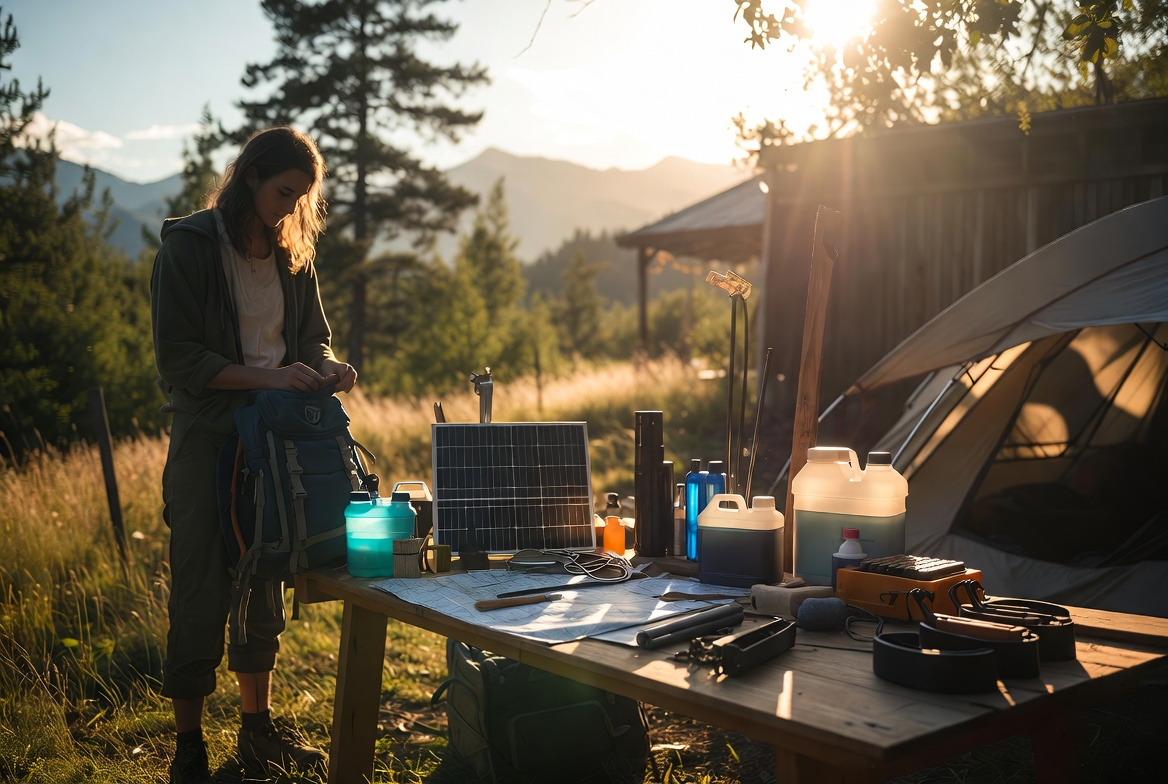
The ECO-WORTHY 200W 12V Solar Panel Starter Kit is an excellent first setup that powers lights, fans, and small tools while you learn.
Add a portable backup for flexibility.
The EF ECOFLOW Portable Power Station DELTA 2 gives you instant power during construction and early months.
Install basic roads or driveways if needed.
Set up temporary shelter (tent, camper, or small shed) so you can spend time on the land.
Phase 4: Water & Sanitation (Months 9–12)
Water is life off-grid.
Install your rainwater system early.
The SKM Collapsible Portable Rain Barrel (53 Gallon) is cheap and easy to add more of as you scale.
Build or buy a composting toilet.
Set up greywater for garden irrigation.
Test and treat all water sources before drinking.
Phase 5: Shelter & Housing (Months 12–18)
Now build your actual home.
Follow the plan from Building Off Grid Homes: Tiny Houses, Cabins & More.
Start small — many people live in a 200–400 sq ft core unit and expand later.
Insulate heavily and design for solar and rainwater from day one.
Phase 6: Food Production (Months 12–18, overlapping)
Start your garden and livestock while building.
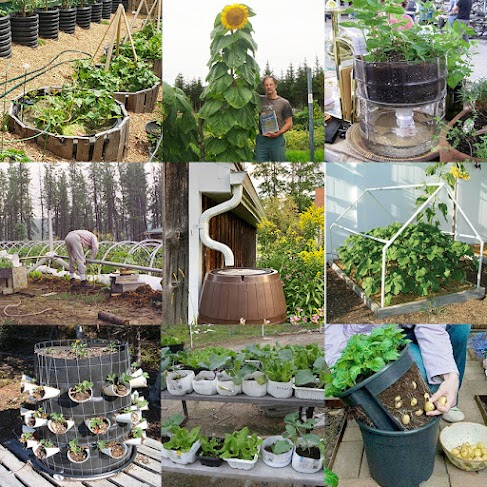
Follow Growing Food Off Grid: Gardens & Livestock Basics.
Even a small garden + chickens can cut grocery bills dramatically in the first year.
Phase 7: Waste & Daily Systems (Months 15–20)
Set up composting, greywater, and recycling loops.
See Off Grid Waste Management: Simple Solutions.
Create your daily and seasonal routines from Off Grid Daily Life: Mindset & Routine Tips.
Phase 8: Refinement & Optimization (Month 18+)
- Review what’s working and what isn’t.
- Upgrade systems, add redundancies, and fine-tune your lifestyle.
- Most people say year two is dramatically easier and more enjoyable than year one.
Common Mistakes to Avoid When Starting
- Trying to do all phases at once.
- Buying land before researching zoning.
- Undersizing solar and water systems.
- Moving full-time too quickly without testing.
- Ignoring mental preparation and community building.
Making the Transition Stick
- Take it one phase at a time.
- Celebrate every milestone.
- Keep a simple journal or progress photos.
- Build in buffer time and money for surprises.
- Remember your “why” on hard days.
Connect This Roadmap to the Rest of Your Off-Grid Journey
Once you’ve started with this step-by-step plan, the next focus is overcoming the inevitable challenges.
See Off Grid Living Challenges: How to Overcome Them for practical solutions when things don’t go perfectly.
Your daily life will feel smoother once you follow Off Grid Daily Life: Mindset & Routine Tips.
FREQUENTLY ASKED QUESTIONS:
How long does it realistically take to start living off grid?
Most people complete the transition in 12–24 months when they follow a phased plan.
Should I quit my job before starting?
No — keep income until you have at least 12 months of living expenses saved and systems tested.
Can I start off grid part-time?
Yes — many people camp or stay in an RV on their land on weekends while building the full system.
What is the biggest mistake to avoid?
Rushing the move before systems are tested — spend at least a few months living on the land part-time first.
Start your off-grid journey today with just one small action — write your “why” or research one county.
The moment you take that first step, the path becomes clear.
You’ve got this.
Your off-grid life is waiting — one phase at a time.
Ready for the next step? Head over to Off Grid Living Challenges: How to Overcome Them and keep building your self-sufficient life.