
Top 10 Ways to Explore Living Grid Free in 2026
Living grid free represents freedom, self-reliance, and a closer connection to nature. Are you dreaming of a quiet homestead in British Columbia? Or simply curious about reducing dependence on utilities?
This lifestyle offers rewarding steps toward independence. Many people start small and gradually build systems that fit their goals.
This pillar guide outlines the top 10 ways to explore living off grid, that beginners and experienced folks alike find most valuable.
Each section provides a clear overview, with in-depth articles coming for every topic. You can read this for a broad introduction, then dive deeper into the ones that spark your interest.
Excited to begin your journey toward greater self-sufficiency? Let’s explore these key elements of living off grid together.
1. Best Land for Off Grid Living: What to Look For
Selecting suitable land sets the foundation for a successful off-grid experience. Look for parcels with good solar exposure, reliable water access, and reasonable soil quality.
In many regions, properties with southern-facing slopes receive more sunlight for energy production throughout the year.
Check zoning regulations and building codes early to avoid surprises. Some areas welcome off-grid setups while others require specific permits for alternative systems.
Proximity to roads and neighbors can balance isolation with practical access when needed.
Finding the right piece of land feels like discovering your personal sanctuary. It opens the door to creating a space that truly supports your vision.
Curious what hidden factors can make or break a property purchase for off-grid living? Our detailed land selection guide covers checklists and real-world considerations—continue the series to learn more.

2. Off Grid Solar Power Systems: Beginner Guide
Solar power forms the backbone of many off-grid setups, converting sunlight into reliable electricity. A basic system includes panels, charge controller, batteries, and inverter to power lights, appliances, and devices. Start with modest sizing to match your actual energy needs and expand later.
Modern panels and lithium batteries have become more affordable and efficient in recent years. Proper placement and maintenance ensure consistent performance even during cloudy stretches. Monitoring tools help track usage and optimize output.
Installing solar brings a satisfying sense of independence from the grid. Each sunny day becomes a direct contribution to your lifestyle.
Wondering how to calculate the right system size and avoid common setup mistakes?
The full off-grid solar guide breaks down components and budgeting—keep reading the series for the details.

3. Rainwater Harvesting for Off Grid Living
Rainwater harvesting captures nature’s free resource for drinking, washing, and irrigation. Gutters, downspouts, and storage tanks direct roof runoff into cisterns or barrels.
Simple filtration and treatment make it safe for household use.
In wetter climates, even modest collection systems provide ample supply. Overflow management and first-flush diverters keep water clean. Regular cleaning prevents buildup and maintains quality.
Achieving water self-sufficiency feels liberating and resourceful. You’ll appreciate every drop in a new way. Curious which storage options and purification methods work best in rainy regions like British Columbia?
Our rainwater harvesting article explores systems and maintenance tips—read on in the series to find out.

4. Building Off-Grid Homes: Tiny Houses to Cabins
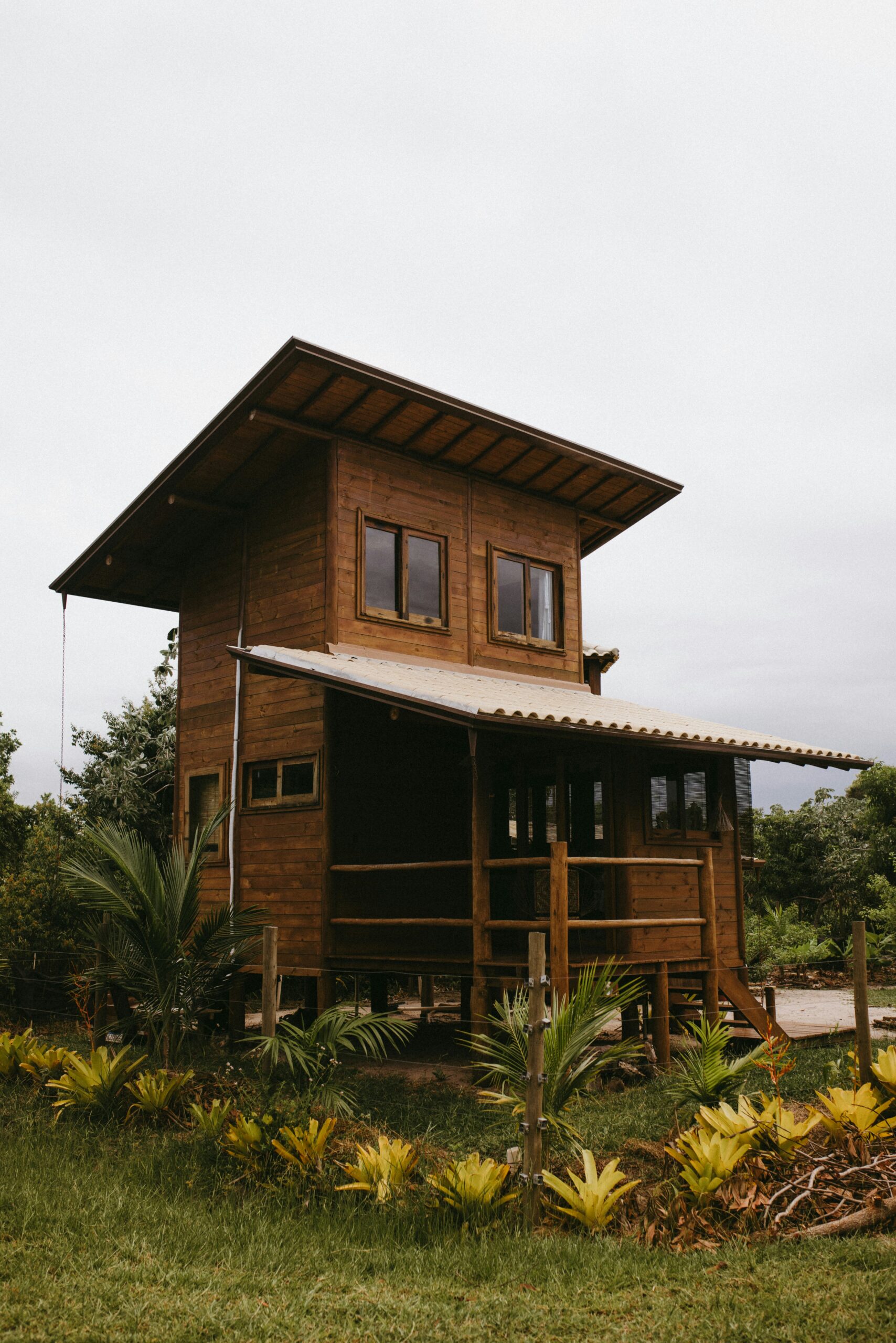
Grid free homes range from compact tiny houses to cozy cabins and yurts. Focus on energy-efficient design with good insulation, south-facing windows, and passive solar principles. Many builders use reclaimed materials to lower costs and environmental impact.
Site preparation includes proper foundation, drainage, and access for deliveries. Modular or kit options speed construction while allowing customization. Permits vary, so check local rules early.
Creating your own shelter brings deep satisfaction and pride. The finished space reflects your values and needs. Ever wondered which building styles offer the best balance of comfort and affordability for off-grid living?
This guide gives you everything you need to Get Started.

5. Growing Food Off Grid: Gardens and Livestock Basics
Growing your own food creates abundance and reduces reliance on external sources. Start with raised beds or containers for vegetables, herbs, and berries that thrive in your climate. Companion planting and crop rotation keep soil healthy and yields steady.
Small-scale livestock like chickens or rabbits provide eggs, meat, and natural fertilizer. Secure enclosures protect animals while allowing foraging. Composting kitchen scraps closes the nutrient loop.
Harvesting from your land feels deeply rewarding and nourishing. Each meal carries a sense of accomplishment. Curious which beginner-friendly crops and small animals give the quickest returns?
Our food-growing article covers planning and seasonal strategies—keep exploring the series to discover them.


6. Living Grid Free Waste Management Solutions
Effective waste management keeps your space clean and sustainable. Composting toilets separate solids and liquids for odor-free operation and easy composting. Greywater systems redirect shower and sink water to irrigation after basic filtration.
Solid waste breaks down naturally in well-managed compost piles. Recycling and minimizing packaging reduce overall output. Regular maintenance ensures systems run smoothly.
Handling waste responsibly enhances environmental harmony. Wondering how to choose and install the right composting toilet for different climates?
The waste management guide reviews options and best practices—read ahead in the series for more.

7. Real Costs of Living Off Grid: What to Expect
Living off grid involves upfront investments balanced by long-term savings. Major expenses include land, solar equipment, water systems, and shelter construction. Budgeting realistically helps avoid surprises and set achievable goals.
Ongoing costs cover maintenance, food production supplies, and occasional professional help. Many people offset expenses through remote work or small enterprises. Tracking spending reveals opportunities to refine systems.
Seeing the numbers clearly builds confidence in your plan. Financial independence becomes more attainable step by step. Curious about realistic startup budgets and ways to reduce initial costs?
Our costs breakdown article shares current estimates and money-saving ideas—continue the series to get the full picture.

8. How to Start Off Grid Living: Step by Step
Beginning off-grid living starts with clear goals and small experiments. Assess your current lifestyle to identify what you want to change.
Test elements like solar camping or rainwater collection at home first.
Build skills gradually—learn one system at a time while maintaining a safety net. Connect with local off-grid communities for advice and support. Patience and persistence turn vision into reality.
Each milestone celebrates progress toward freedom. The journey itself becomes enriching. Ever wondered what a realistic timeline looks like for transitioning in stages?
The beginner’s step-by-step guide maps out phases and priorities—keep reading the series to plan your path.

9. Off Grid Living Challenges: How to Overcome Them
Every off-grid journey includes hurdles that become learning opportunities. Weather variability, equipment maintenance, and isolation test resilience. Proactive planning and backup systems reduce stress.
Community connections and skill-building help navigate difficulties. Flexibility allows adjustments when plans shift.
Facing challenges head-on strengthens capability and appreciation.
Overcoming obstacles creates deeper satisfaction. You’ll emerge more resourceful and grateful. Curious how people handle isolation and seasonal limitations successfully?
Our challenges guide shares proven strategies and mindset shifts—explore the series for more insights.

10. Off Grid Daily Life: Mindset & Routine Tips
Daily routines in off-grid living revolve around natural rhythms and purposeful tasks. Mornings often involve checking systems, tending gardens, and preparing simple meals. Evenings bring reflection and rest by candlelight or solar lamp.
The mindset emphasizes gratitude, adaptability, and presence. Small rituals—watching sunrise, harvesting vegetables—deepen contentment. Balance work with leisure to prevent burnout.
Embracing this rhythm feels liberating and grounding. Life simplifies in the best way. Wondering how to maintain mental well-being and build community while living remotely?
The daily life article explores routines and mindset practices—finish the series to complete your off-grid exploration.
Conclusion for Explore Off-Grid Living
Exploring living off grid is a powerful step toward freedom, simplicity, and alignment with what truly matters.
From selecting land that supports your vision,
harnessing solar power, harvesting rainwater,
building an efficient home,
growing your own food,
managing waste sustainably,
understanding real costs, starting step by step, overcoming challenges, and embracing daily rhythms, each element creates a life of greater independence and peace.