
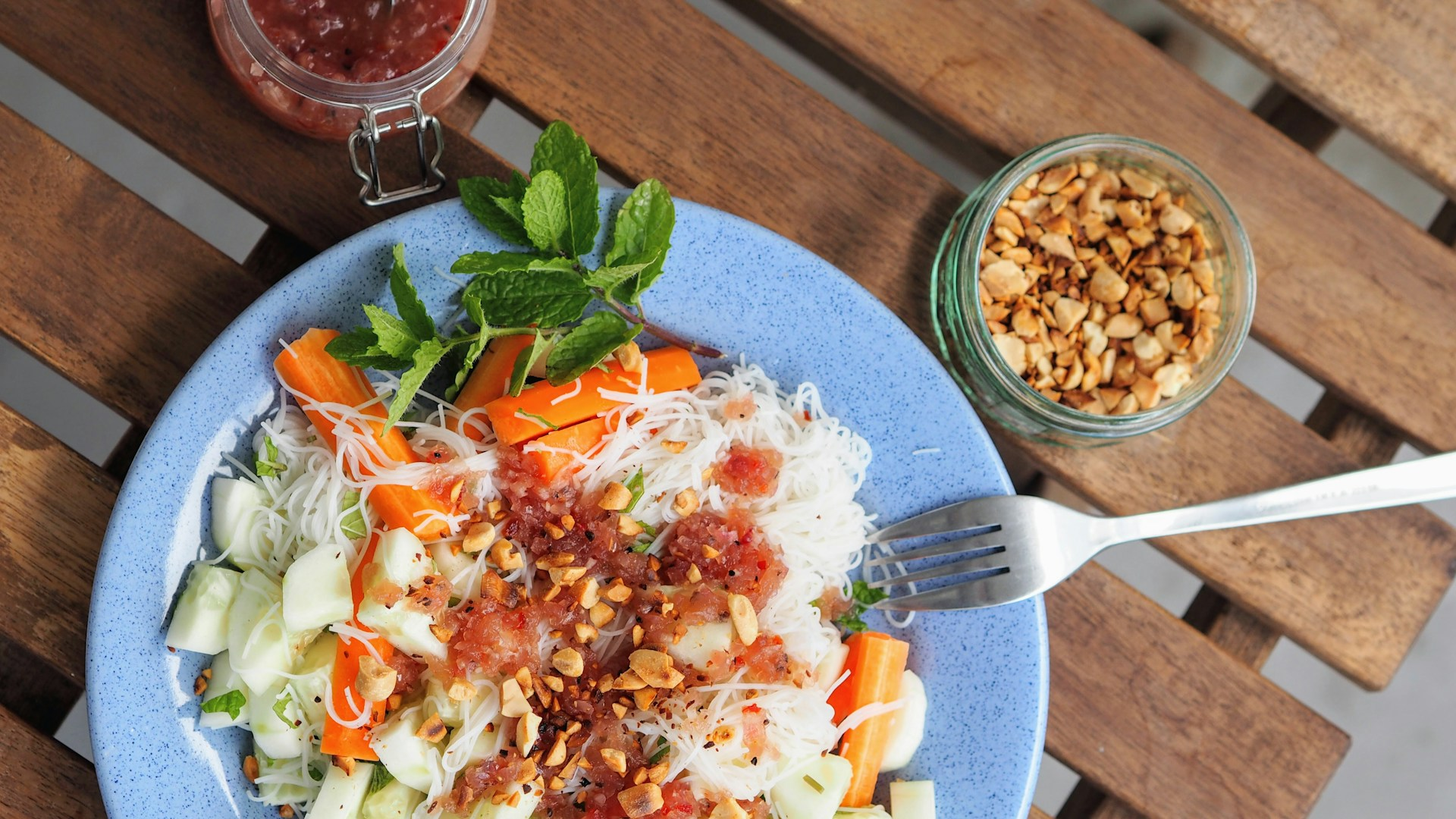
Plant-Based Diet for Beginners: Easy Low-Meat Tips
Picture this: You finish a delicious, satisfying meal that leaves you energized instead of sluggish.
Your grocery bill is $40 lighter this week.
Your fridge is full of vibrant colors.
And you know you just helped cut your carbon footprint by the equivalent of driving 50 fewer miles.
That’s not a dream.
It’s what thousands of beginners are experiencing right now by simply shifting toward more plant-based meals.
In 2026, eating less meat isn’t about becoming a strict vegan overnight or giving up everything you love.
It’s about smart, enjoyable swaps that save money, boost your health, and feel effortless once you get the hang of them.
Families who cut their meat intake by even 30–50% report lower inflammation, better digestion, clearer skin, and more stable energy levels — all while spending less at the checkout.
This guide gives you the exact beginner-friendly system to make plant-based eating your new normal without feeling deprived.
You’ll get simple daily habits, real meal ideas, proven tips that fit busy lives, and everything you need to start today and actually stick with it.

Why Plant Based Diet for Beginners, Makes Perfect Sense in 2026
They say meat production is a driver of climate change.
It uses massive amounts of water, land, and energy.
At the same time, the average person eats far more animal protein than their body actually needs, and not enough green vegetables.
The good news? You don’t have to go cold turkey.
Even modest reductions deliver big wins:
- Health: Lower cholesterol, reduced risk of heart disease, and better gut health from all the fiber.
- Budget: Plant proteins like beans, lentils, and tofu cost a fraction of steak or chicken.
- Planet: One person switching just three meat meals a week to plants saves roughly 1,000 gallons of water and prevents hundreds of pounds of CO₂ emissions per year.
- Taste & Satisfaction: Modern recipes and seasonings make plant meals taste incredible — many people say they actually crave them after a few weeks.
The best part? You control the pace.
Start slow, enjoy the journey, and watch the benefits stack up.
Your Step-by-Step Beginner Plan (Start Here Today)
Follow these 10 practical steps in order.
Most people see results in the first 7–14 days.
- Pick one meal a day to go fully plant-based (breakfast is easiest for most).
- Swap ground meat in recipes with lentils, mushrooms, or crumbled tofu.
- Stock your pantry with affordable staples: beans, chickpeas, oats, brown rice, quinoa, and nut butters.
- Use herbs, spices, garlic, and smoked paprika to keep flavors bold and satisfying.
- Double your vegetable portions — fill half your plate with them.
- Try meatless Monday (or any day) and build from there.
- Experiment with plant-based milks and yogurts for smoothies and cereal.
- Keep a few frozen veggie burgers or pre-made meals on hand for busy nights.
- Track how you feel after two weeks — most people notice more energy and less bloating.
- Gradually increase plant days as it feels natural.
One of the simplest upgrades is upgrading your hydration game while you’re loading up on fiber.
The Owala FreeSip Sway Insulated Stainless Steel Water Bottle (available in 30 oz or 40 oz) makes it effortless to carry water or your morning green smoothie — leakproof, easy to sip, and keeps everything perfectly cold all day.

7-Day Easy Starter Meal Plan (No Fancy Cooking Required)
- Day 1 Breakfast: Overnight oats with banana and peanut butter Lunch: Chickpea salad wrap Dinner: Lentil bolognese over spaghetti
- Day 2 Breakfast: Green smoothie (spinach, banana, almond milk) Lunch: Black bean burrito bowl Dinner: Veggie stir-fry with tofu
- Day 3 Breakfast: Avocado toast on whole grain Lunch: Quinoa salad with roasted veggies Dinner: Mushroom “beef” tacos
- Day 4 Breakfast: Chia pudding Lunch: Hummus veggie wrap Dinner: Eggplant parmesan (no meat)
- Day 5 Breakfast: Berry smoothie bowl Lunch: Lentil soup Dinner: Chickpea curry with rice
- Day 6 Breakfast: Oatmeal with berries Lunch: Falafel salad Dinner: Stuffed peppers with quinoa
- Day 7 Breakfast: Yogurt parfait with nuts Lunch: Leftover curry Dinner: Veggie-loaded pizza (use store-bought dough)
These meals use ingredients you can buy in one trip and take under 20 minutes most nights.

Common Myths & How to Bust Them
“My family won’t eat it” — Start with familiar flavors (tacos, burgers, pasta) and swap the meat quietly. Kids often don’t even notice.
“I’ll be hungry” — Plants are high-volume and high-fiber. Add healthy fats (avocado, nuts) and you’ll stay full longer.
“It’s too expensive” — Actually the opposite once you cut the meat aisle. Bulk beans and rice are pennies per serving.
“I need protein” — One cup of lentils gives 18g — more than many chicken breasts — and your body absorbs plant protein just fine when you eat a variety.

Level Up with Foraging & Home Growing
Once you’re comfortable with these swaps, you can take it even further.
Learn to identify safe wild edibles with How to Forage Safely: Beginner Guide to Edible Plants — free nutrition right outside your door.
Or grow your own fresh produce at home with Growing Food Off Grid: Gardens & Livestock Basics.
If you want a complete backyard system that turns your garden into a real food source, check out Claim Your Backyard Freedom — it’s packed with simple, proven methods for growing nutrient-dense plants even if you’re starting from zero.
And when those garden scraps start piling up, turn them into gold with Composting for Beginners: Easy Food Waste Tips — it closes the loop perfectly with the waste-reduction habits you learned in Reduce, Reuse, Recycle: Easy Waste Reduction Tips.
Your 30-Day Plant-Based Challenge
- Week 1: Replace just one meal a day and note how you feel.
- Week 2: Add a second plant-based meal and try two new recipes.
- Week 3: Experiment with one fully meat-free day and stock your pantry staples.
- Week 4: Review your grocery receipt and energy levels — then decide how much further you want to go.
You’ll be amazed at how quickly your taste buds adapt and your body thanks you.
Start with just breakfast tomorrow.
Pick one swap from the list above and make it happen.
Then add another the next day.
Before long, plant-based eating won’t feel like a “diet” — it will simply feel like the way you eat, and you’ll wonder why you didn’t start sooner.
You’ve got this.
Your body, your wallet, and the planet are all going to love the new you.
Ready for the next step? Head over to Energy Efficiency at Home: Simple Money-Saving Habits and keep the momentum going.