
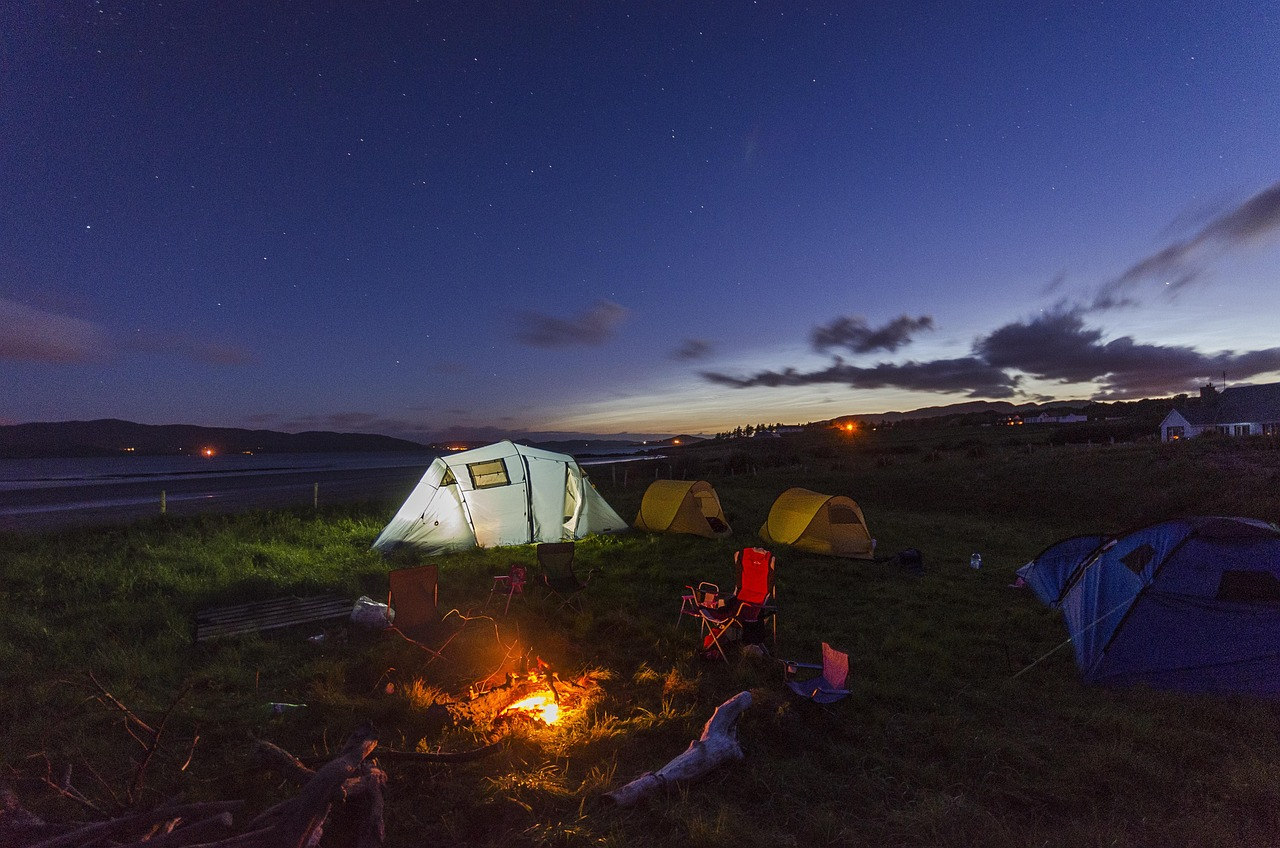
Camping in 2026 continues to grow in popularity as more people seek simpler, more intentional experiences away from constant connectivity. The good news is that you don’t need expensive gear or years of experience to get started.
With smart planning and these proven camping tips for beginners, your first trip can be both comfortable and memorable.
Let’s dive into the ten essential tips that every new camper should know.
Camping offers one of the most accessible ways to reconnect with nature and experience a taste of living grid free. For many people, that first camping trip becomes the gateway to greater self-reliance and outdoor confidence.
Whether you’re planning a weekend getaway or testing the waters before committing to more serious off-grid adventures, having the right knowledge makes all the difference.
This comprehensive beginner camping guide covers the ten most important camping tips for beginners. Each section includes practical advice, common mistakes to avoid, and step-by-step instructions designed to help first-timers succeed.
By the end of this article, you’ll have a complete camping checklist and the confidence to plan and enjoy your first outdoor adventure.

Start With Proper Planning and Research
The foundation of any successful camping trip begins long before you pack the car. Poor planning is the number one reason beginners have negative experiences.
Begin by deciding what type of camping suits you best. Car camping (also called tent camping at developed campgrounds) is ideal for first-timers because you can park close to your site and bring more gear. Backpacking requires more advanced skills and lighter equipment, so save that for later.
Research campgrounds thoroughly using sites like Recreation.gov or Reserve America. Look for locations with amenities such as restrooms, potable water, and fire rings. Check recent reviews for current conditions, wildlife activity, and any seasonal restrictions.
Create a detailed camping checklist at least two weeks before departure. Divide it into categories: shelter, sleep system, cooking, clothing, navigation, and safety. This checklist becomes your roadmap and prevents last-minute scrambling.
Weather should be your next priority. Check forecasts for the entire duration of your trip, including nighttime lows. Pack layers even if daytime temperatures look warm. Sudden changes in conditions are common, especially in mountainous or coastal areas.
Finally, tell someone your exact itinerary, expected return time, and emergency contacts. This simple step dramatically increases safety when trying first time camping tips in practice.

Choose the Right Campsite Location
Site selection can make or break your camping experience. When you arrive at a campground, drive around and evaluate several spots before committing.
Look for level ground that drains well after rain. Avoid low-lying areas where water collects. A slight slope is acceptable if your head will be positioned higher than your feet when sleeping.
Consider wind direction and sun exposure. In summer, a site with afternoon shade keeps your tent cooler. In cooler months, morning sun helps warm things up.
Pay attention to proximity to water sources and bathroom facilities. Being too close to restrooms can mean more foot traffic and noise, while being too far requires longer walks at night.
Check for natural hazards: dead trees (widow makers) overhead, ant hills, poison ivy, or areas prone to flooding. A quick walk around the perimeter reveals these issues before setup.
For beginners practicing living grid free skills, choose campgrounds with a mix of open space and tree cover. This gives you room to practice basic outdoor tasks while still having some natural protection.


Invest in Quality Beginner-Friendly Gear
You don’t need the most expensive equipment, but buying the right beginner gear pays dividends in comfort and safety.
Start with a reliable tent. For most beginners, a 3-season dome or cabin-style tent works best. Choose one that’s easy to set up and has a rainfly. A footprint (ground tarp) protects the tent floor and extends its life.
Your sleep system is equally important. A good sleeping pad provides insulation from cold ground. Pair it with a sleeping bag rated for temperatures at least 10 degrees below what you expect at night. Rectangular bags offer more room while mummy bags are warmer.
Cooking gear should be simple. A basic two-burner camp stove, lightweight cookware set, and cooler will handle most meals. Don’t forget matches, a lighter, and fire starters as backup.
Lighting is often overlooked. Bring a reliable headlamp with extra batteries plus a lantern for around-camp use. These small investments make evenings much more enjoyable.
Build your camping checklist around the “Ten Essentials” system: navigation, sun protection, insulation, illumination, first aid, fire, repair kit, nutrition, hydration, and emergency shelter. This framework has kept campers safe for decades.

Master Proper Tent Setup
Learning how to set up a tent correctly is one of the most valuable camping tips for beginners. Practice in your backyard before the trip so you’re not struggling in fading light or bad weather.
Choose your tent location carefully. Clear away rocks, sticks, and pinecones. Lay down your footprint first, then position the tent so the door faces away from prevailing wind.
Assemble the poles and insert them into the tent’s sleeves or clips according to the instructions. Most modern tents use color-coded poles and grommets to make this easier.
Secure the tent with stakes at every corner and guy-out point. Tighten the rainfly properly so it doesn’t touch the inner tent fabric — this prevents condensation from dripping inside.
Create organized zones inside the tent: sleeping area, gear storage, and entryway. Use small bins or stuff sacks to keep items contained and clean. A well-set tent becomes your temporary home base and gives you that first real taste of living grid free independence.

Build Safe and Effective Campfires
Few things define the camping experience like a proper campfire. Learning basic fire-building skills is essential for both enjoyment and emergency preparedness.
Check fire restrictions before your trip. Many areas have seasonal bans or require permits. When fires are allowed, use existing fire rings rather than creating new ones.
Collect wood responsibly. Gather only downed and dead wood. Sort it into three sizes: tinder (pencil-lead thin), kindling (finger-thick), and fuel logs (wrist-thick).
Use the teepee or log cabin method for beginners. Start with a small pile of tinder, add kindling in a pyramid shape, and light from the bottom. Gradually add larger pieces as the fire grows.
Never leave a fire unattended. Keep a bucket of water or dirt nearby for complete extinguishing. Stir the ashes and soak everything until cold to the touch.
Mastering fire skills builds confidence that transfers directly to broader self-reliance practices when living grid free.

Plan and Prepare Simple Camp Meals
Good food dramatically improves any camping trip. Focus on meals that are easy to prepare with minimal equipment.
Breakfast ideas can include oatmeal packets, breakfast burritos cooked in foil, or just good old bacon and eggs. Lunch can be simple sandwiches or trail mix with jerky, hot dogs and burgers are always a staple for camping. For dinner, try one-pot meals like chili, roast, or foil packet dinners for potatoes and veggies.
Prep as much as possible at home. Chop vegetables, portion spices, and pre-cook proteins when appropriate. Store everything in clearly labeled containers.
Practice proper food storage. Use bear-proof containers or hang food bags if camping in wildlife areas. Never store food inside your tent, bears and other unwanted wild life can make a mess or attract danger.
Clean up immediately after every meal. This prevents attracting animals and makes packing easier later. A collapsible dish tub, biodegradable soap, and quick-dry towels make cleanup simple.

Prioritize Safety and Emergency Preparedness
Safety should always come first when applying first time camping tips. Being prepared for the unexpected separates stressful situations from dangerous ones.
Pack a well-stocked first aid kit including bandages, antiseptic, pain relievers, tweezers, blister treatment, and any personal medications. Know basic first aid skills before you go.
Learn how to identify common hazards: poison ivy, snakes, ticks, and dangerous weather patterns. Download offline maps and have both digital and paper backups.
Create an emergency plan that includes meeting points and communication methods. Cell service is often unreliable in camping areas, so consider a satellite messenger for remote locations.
Stay hydrated and watch for signs of heat exhaustion or hypothermia. These conditions can develop quickly even in moderate weather.

Create a Comfortable Sleeping Setup
Poor sleep ruins camping trips faster than almost anything else. Investing time in your sleep system pays off immediately.
Choose a sleeping pad with an R-value appropriate for the season. Higher values provide better insulation from cold ground. Test your pad and bag combination at home.
Create a comfortable pillow using a stuff sack filled with extra clothing. Bring an eye mask and earplugs to block early morning light and campground noise.
Develop an evening routine: organize gear, change into clean sleep clothes, and use the bathroom before getting settled. Small comforts like these make a big difference.

Follow Leave No Trace Principles
Responsible camping means leaving the site better than you found it. The seven Leave No Trace principles should guide every decision.
Plan ahead and prepare. Travel and camp on durable surfaces. Dispose of waste properly. Leave what you find. Minimize campfire impacts. Respect wildlife. Be considerate of other visitors.
Pack out everything you pack in, including food scraps and micro-trash. Use designated bathroom areas or properly bury human waste when necessary.
These practices ensure future campers can enjoy the same natural beauty and support the long-term goal of living grid free in harmony with nature.

Use Your Camping Experience to Build Grid Free Skills
Camping serves as excellent training ground for living grid free. Many of the skills you develop on short trips directly apply to longer-term self-reliant living.
Practice water management by monitoring your usage and learning efficient cleaning methods. Work on meal planning with limited resources. Develop systems for organizing gear and maintaining a clean camp.
Take notes after each trip about what worked and what didn’t. Over time, these observations become valuable knowledge for bigger adventures.
Many people start with weekend camping trips and gradually extend their time away from modern conveniences. Each outing builds confidence and practical skills for a more independent lifestyle.
Final Thoughts
These ten camping tips for beginners provide a solid foundation for successful outdoor adventures. Remember that every experienced camper started exactly where you are now — with that first trip and a mixture of excitement and nervousness.
Start small, stay safe, and focus on enjoying the experience. Your first camping trip is just the beginning of discovering the freedom that comes from spending time in nature and developing self-reliance skills.
Ready to plan your trip? Download our free beginner camping checklist (link) and check out our other guides on wilderness survival gear and sustainable living practices.
What are you most excited about trying on your first camping trip? Share your thoughts in the comments below.